
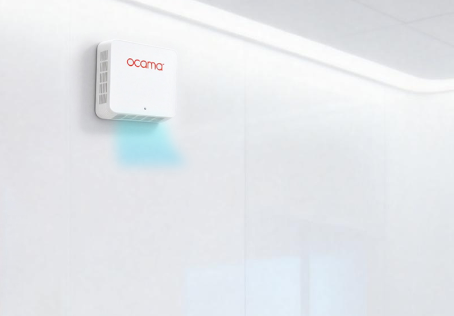
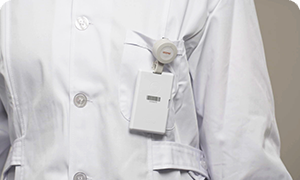
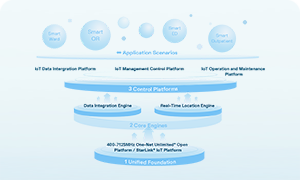
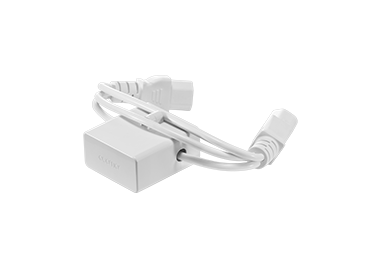
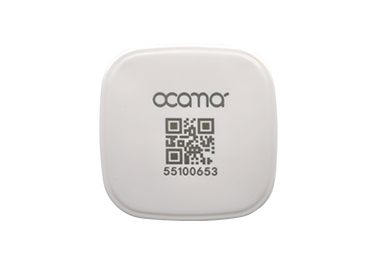
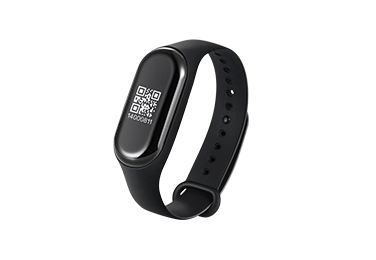
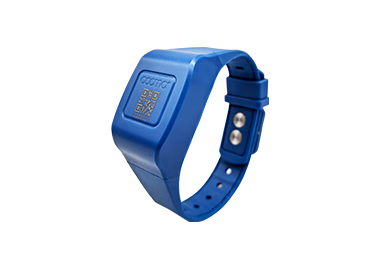
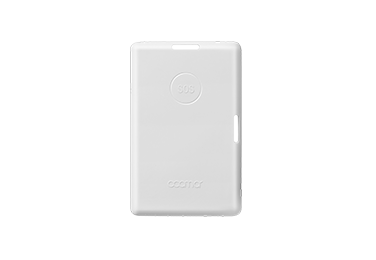
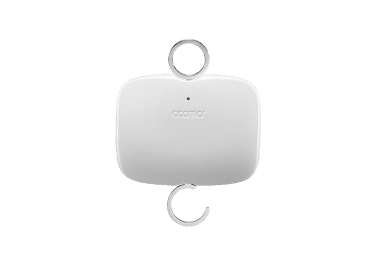
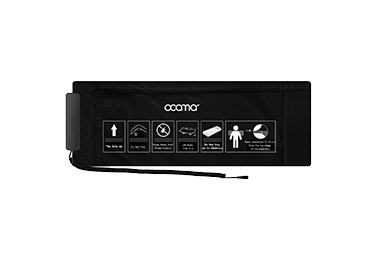
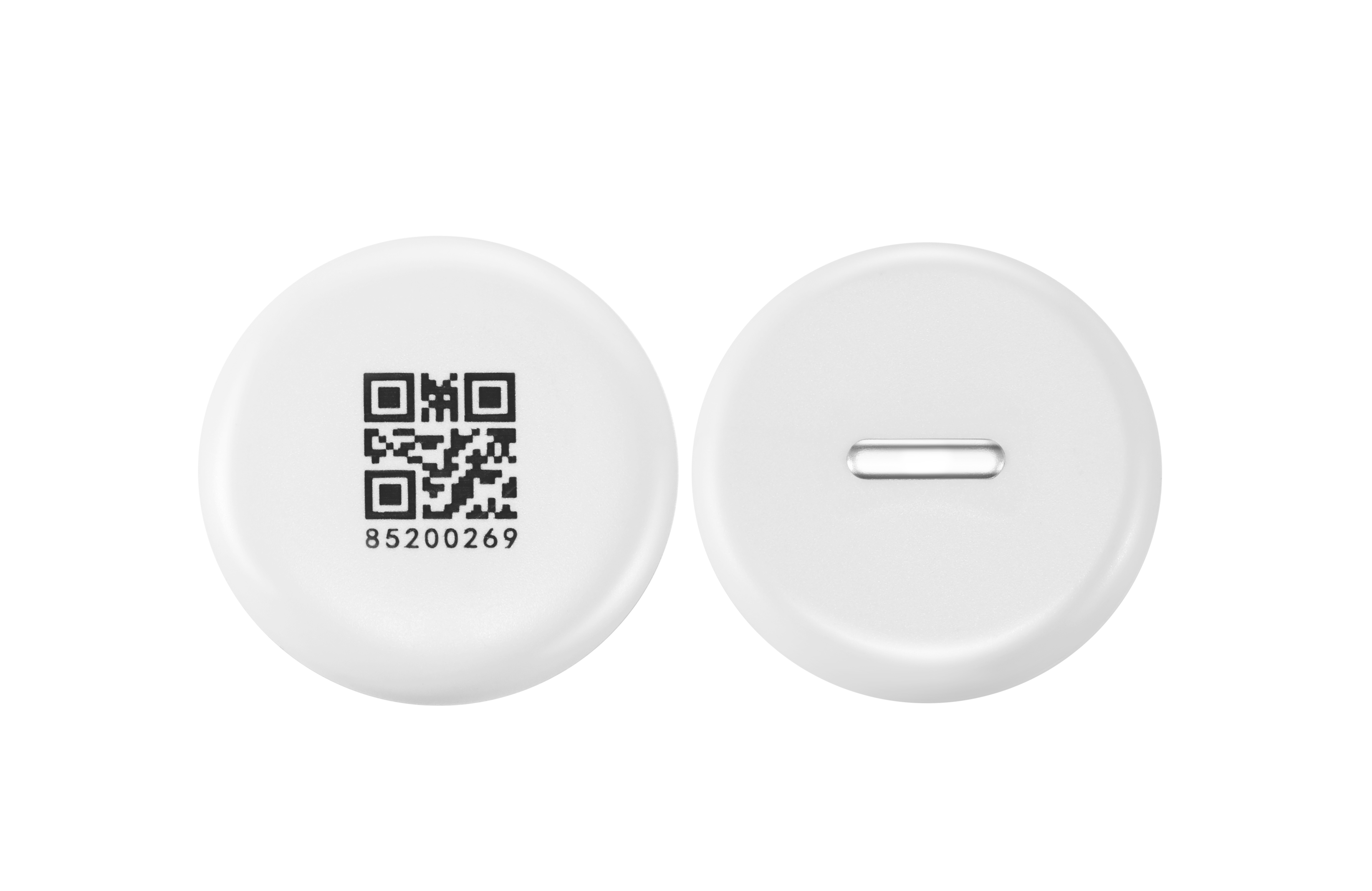
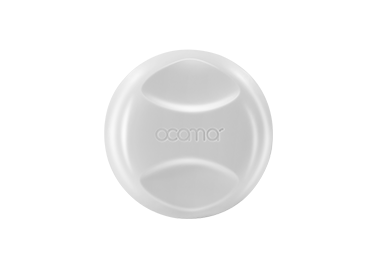
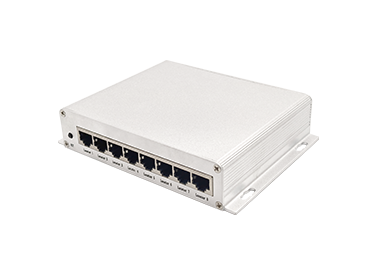
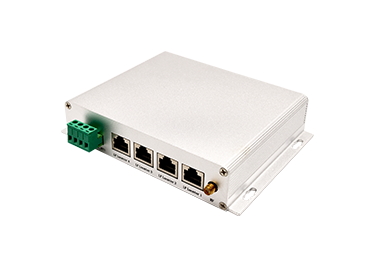
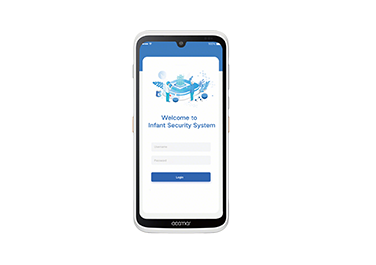
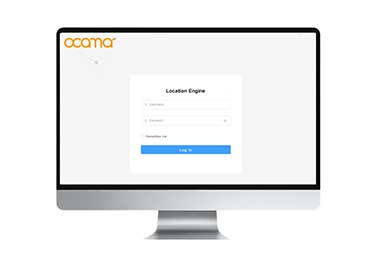
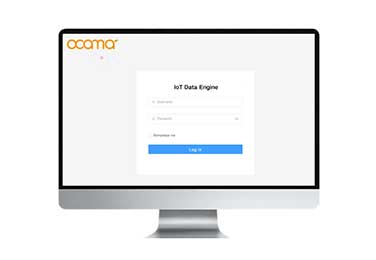


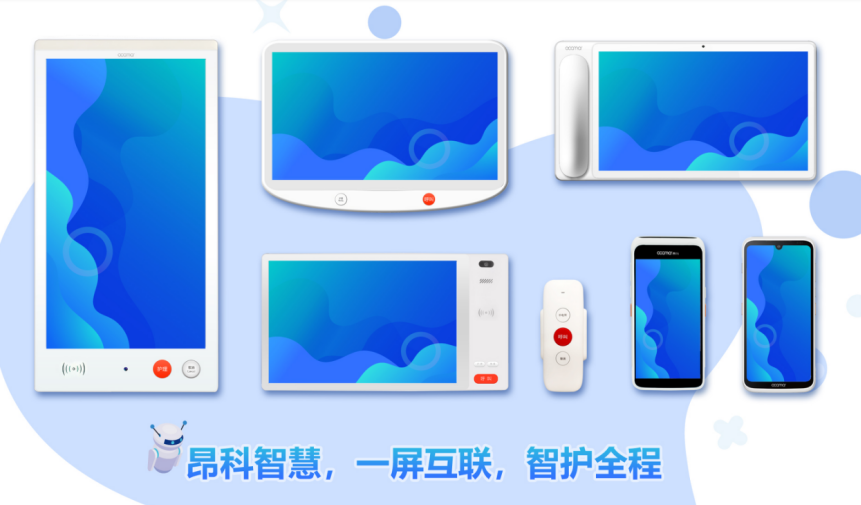
In the current era of the digitalization of healthcare, the traditional ward management model is facing the dual challenges of efficiency bottlenecks and experience upgrades. The demand from patients for personalized and high-quality care is increasingly prominent, while medical staff urgently need intelligent tools to optimize work processes and improve diagnostic accuracy. Angkoo has launched the AI + Smart Ward Solution, with the Ocamar SMAI V1.0 AI assistant as the core engine. It deeply integrates advanced technologies such as voice interaction, real-time IoT monitoring, and big data intelligent analysis to build an intelligent ecosystem covering the entire patient care cycle, efficient collaboration among medical staff, and closed-loop management of diagnosis and treatment. This solution aims to drive the interconnection of medical data, empower clinical decision-making, reshape service processes, and provide strong support for hospitals to achieve refined operations and a significant improvement in patient experience.
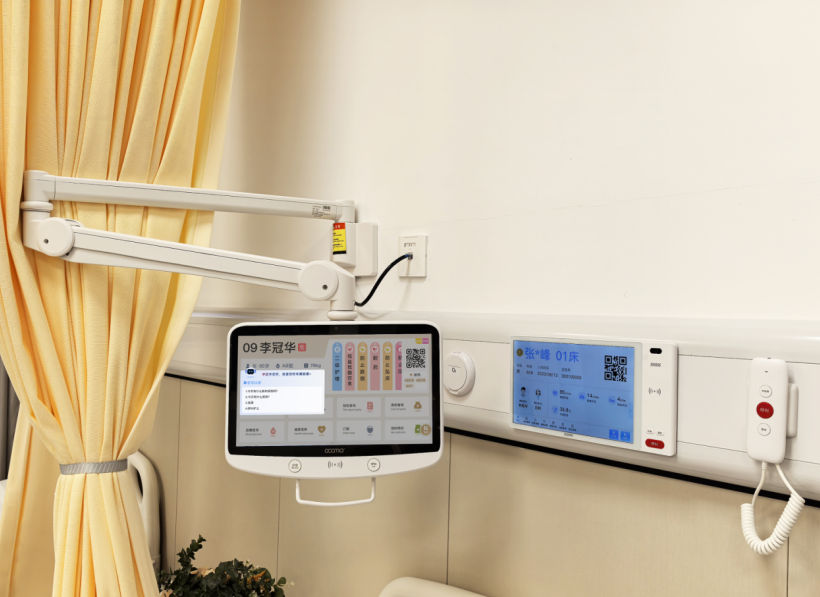
1. Full Voice Interaction: A "New Caretaker for the Hospital Ward" That Relieves Hands from Burden
In traditional hospital wards, patients often find it difficult to operate equipment due to mobility issues, and medical staff also need to frequently handle basic needs manually. The Onkyo AI assistant, based on natural language processing technology, achieves full-scenario coverage of "voice as service":
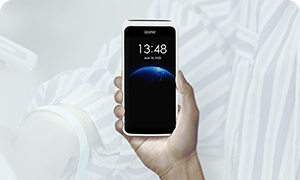
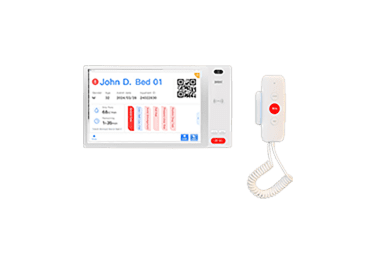
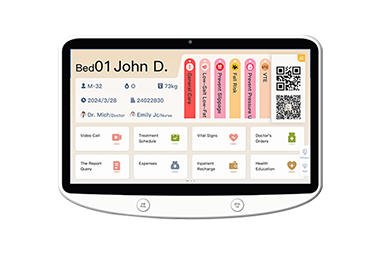
Zero-contact wake-up and navigation: Patients can simply say "Hello, Xiao Ang" or click a button to wake up the AI assistant. Through voice commands, they can directly navigate to pages such as report query and health education, without the need for manual operation of the display interface. This is particularly suitable for patients who are bedridden after surgery or have limited hand functions.
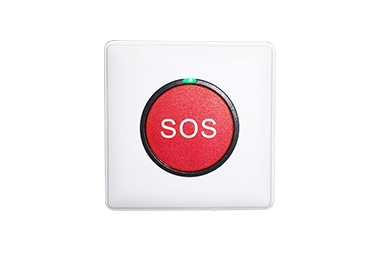
Intelligent call and control: Integrated with the hospital's call system, patients can directly make voice calls to nurses, avoiding delays in requests due to incorrect button presses; it also supports voice adjustment of the volume, brightness, and screen-off of the bedside interactive screen. The night mode automatically reduces light interference to enhance the comfort of hospitalization.
Emotional companionship service: Connected to deep learning models such as DeepSeek, the AI assistant can have daily conversations with patients, alleviating their anxiety during hospitalization. From weather information to interest topics, from health knowledge popularization to psychological counseling, it builds a warm ward companionship.
Scenario Case:
A patient who underwent hip joint replacement surgery could simply say "View today's infusion schedule" through voice command. The AI assistant would immediately retrieve the data from the HIS system and clearly announce the names and times of the medications. During nighttime rest, just by saying "Dim the screen brightness", it could switch to sleep mode. No manual operation was required throughout the process, truly achieving "Speak without having to touch".
II. Intelligent Diagnosis Assistance: A Leap from "Data Display" to "Active Intervention"
The traditional hospital information systems mostly remain at the level of data display. However, the AI + Smart Ward of Angke has for the first time achieved a closed loop of "data collection - intelligent analysis - active intervention", making medical care more precise and timely:
1. Personalized Health Management Hub
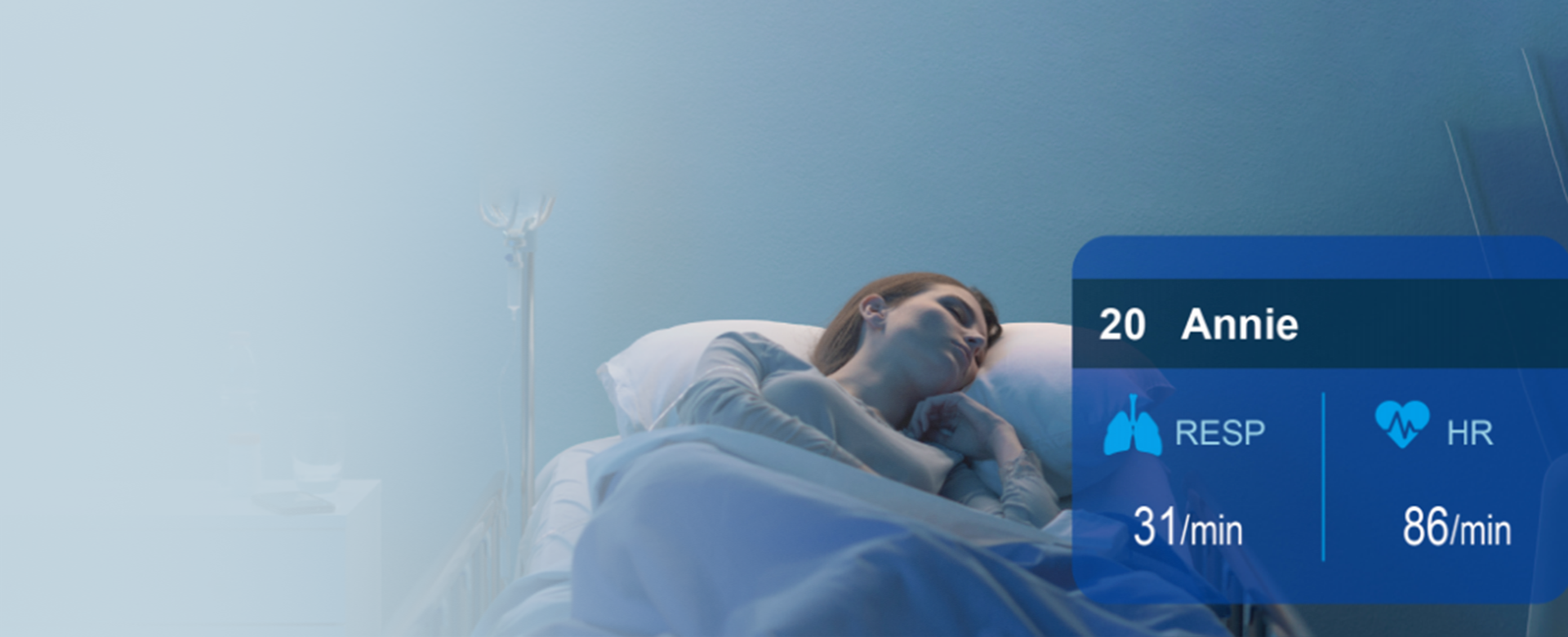
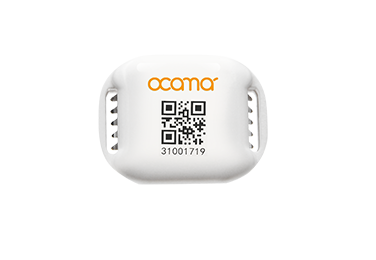
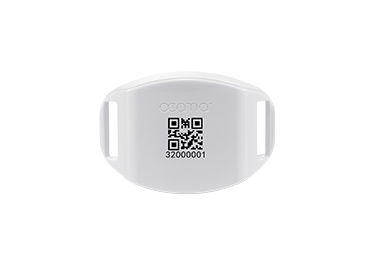
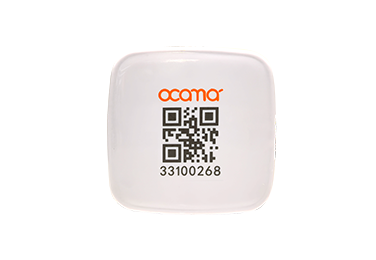
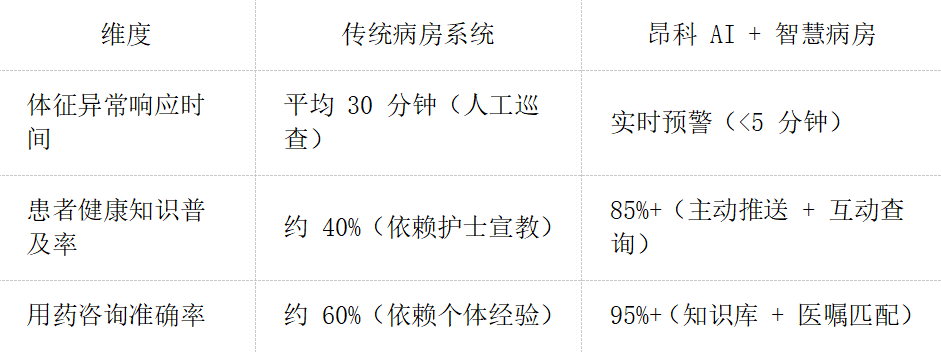
Body Temperature Monitoring and Warning: Through IoT devices, vital signs such as body temperature, blood pressure, and heart rate are collected in real time. Combined with nursing records and medical treatment information (such as viral cold diagnosis or postoperative status), the AI large model automatically analyzes abnormal fluctuations. For example, when a postoperative patient's heart rate remains above 100 beats per minute accompanied by a drop in blood pressure, the system immediately alerts the family to observe and pushes nursing suggestions, and in emergency situations, directly notifies medical staff for intervention.
Test Report "Translator": Automatically interprets professional indicators in test/check reports and explains abnormal results in plain language. For example, when the blood sugar report shows "glycated hemoglobin 8.5%", the AI assistant not only marks the abnormality but also combines the patient's diabetes diagnosis to explain its impact on complications and provide dietary control suggestions.
2. Smart Medical "Intelligent Brain"
Personalized Medication Consultation: When patients consult about medications, the AI assistant links to the drug dictionary, instruction database, and current medical orders to provide precise medication guidance. For instance, when a hypertensive patient asks "Can Nifedipine sustained-release tablets be broken for consumption?", the system will combine the characteristics of the dosage form and the patient's blood pressure control situation to clearly inform "It should be swallowed whole, not chewed", and remind to monitor blood pressure frequency.
Diet and Rehabilitation "Personal Trainer": Connects to the hospital's nutrition knowledge base and rehabilitation medical data, customizes diet plans and exercise plans based on the patient's diagnosis (such as postpartum recovery, digestive tract ulcers). For cesarean section patients, they can receive "6-hour post-operation fasting, gradually transition to high-protein diet" phased recommendations, and also receive bedside rehabilitation training videos to reduce the risk of venous thrombosis.
Data Comparison:
III. Collaborative Efforts of Medical Staff: Rebuilding Ward Management with "Digital Infrastructure"
The efficiency of medical staff's work directly affects medical quality. The AI + Smart Ward of Angke solves the pain points in traditional management through standardized processes, automated tools, and cross-system integration:
1. Emergency Response "Accelerator"
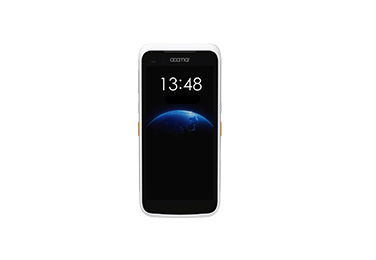
After medical staff wake up the AI assistant, they can quickly retrieve the standardized rescue procedures (such as cardiopulmonary resuscitation, allergic shock handling), and simultaneously provide key steps in text or video formats, shortening the response time.
Data from a pilot hospital in a tertiary hospital shows that after using this function, the compliance rate of medical staff for the emergency treatment procedures for critical conditions increased from 72% to 98%.
2. Nursing Work "Digital Middle Platform"
Smart Nursing Guidelines: Integrates the hospital's nursing measures knowledge base and patient individual data to automatically generate personalized nursing plans. For example, for postoperative patients with indwelling urinary catheters, the system pushes "Daily perineal care 2 times, encourage drinking 2000ml" standard operations, and tracks the execution progress in real time.
Cross-departmental Collaboration Hub: Through the "Green Fence Knowledge Base" to integrate hospital professional knowledge maps, ensuring the data homogeneity of nursing, pharmacy, and laboratory departments. When nurses execute medical orders, the AI assistant automatically verifies drug compatibility contraindications, reducing human errors; After the doctor issues the examination form, the system synchronously pushes the patient preparation matters, enhancing the efficiency of diagnosis and treatment.
3. Management Decision "Data Dashboard"
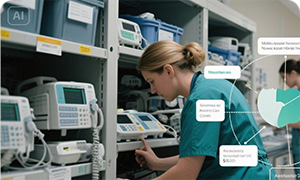
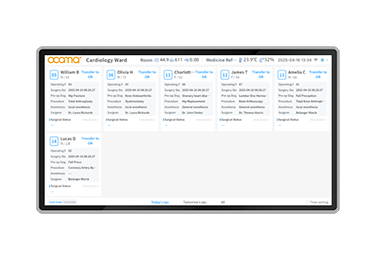
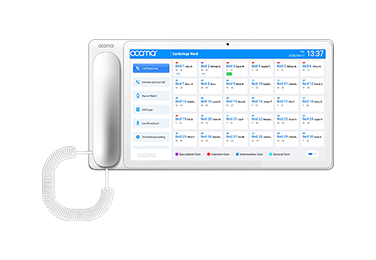
The nursing interaction large screen displays real-time key indicators such as the total number of patients, surgical arrangements, and equipment status, supporting multi-dimensional filtering by department, disease type, and risk level. Managers can dynamically allocate medical resources, for example, during the peak period of obstetric deliveries, they can quickly check the equipment usage in each delivery room and optimize the bed turnover rate.
IV. The Future Has Arrived: Building Medical Intelligence "New Infrastructure"
Aokou AI + Smart Ward is not just a single functional upgrade, but also the underlying architecture for the transformation of medical intelligence. Its core advantages are:
1. Technological Leadership
Multimodal Integration: The accuracy rate of speech recognition exceeds 98%, supporting dialect and ambiguous instruction parsing; The compatibility of IoT devices is strong, and it can seamlessly connect with mainstream medical equipment such as monitors and infusion pumps.
Data Security Barrier: Through the "Green Fence Knowledge Base", medical data is locally stored and managed, preventing sensitive information leakage, and meeting the requirements of level-three hospital security.
2. Scene Extensibility
Customizable ecosystem: Supports hospitals in building their own knowledge bases and configuring personalized functional modules (such as neonatal file establishment in obstetrics and connection with operating rooms), to meet the needs of different departments. For example, Guangdong Provincial Maternal and Child Health Hospital has customized the "Maternal and Infant Health Education Module", increasing the knowledge dissemination rate of postpartum care to 92%.
Full-Cycle Service Extension: In the future, it will expand to the follow-up scenarios outside the hospital, allowing patients to continuously obtain rehabilitation guidance through AI assistants after discharge, and the medical staff to simultaneously monitor the home body temperature data, building an "in-hospital - home" integrated care system.
3. Industry Value Reconstruction
For Hospitals: Improve service quality (such as a 30% increase in patient satisfaction), reduce operating costs (reducing nursing staff costs by 20%), and contribute to the rating of smart hospitals;
For Patients: From "passively accepting treatment" to "actively managing health", shortening the recovery period;
For the Industry: Promote the transition of medical AI from "auxiliary tool" to "core productivity", providing innovative solutions for the medical needs of the hierarchical diagnosis and the medical demands of an aging society.
Conclusion: Opening a New Era of Intelligent Medicine
When the precision of AI meets the humanistic nature of medicine, and when the real-time nature of the Internet of Things collides with the complexity of the ward, Aokou AI + Smart Ward is redefining the "patient-centered" medical experience. From a voice command on the bedside screen to the intelligent management center at the hospital level, this transformation not only concerns technological iteration, but also concerns the dignity of every patient's medical treatment and the professional value of medical staff.
Now, join the Onco Intelligent Ward Innovation Program and jointly witness the future of medical intelligence!
— Make every ward a starting point of intelligent care.
【About Onko】
Onko has been deeply engaged in the medical technology field for many years, dedicated to creating safer, more efficient and more empathetic smart medical solutions through technologies such as AI, IoT and big data. Currently, Ocamar SMAI V1.0 has been piloted in multiple top-tier hospitals across the country, serving over 100,000 patients in total and receiving widespread praise from medical staff and patients.



