

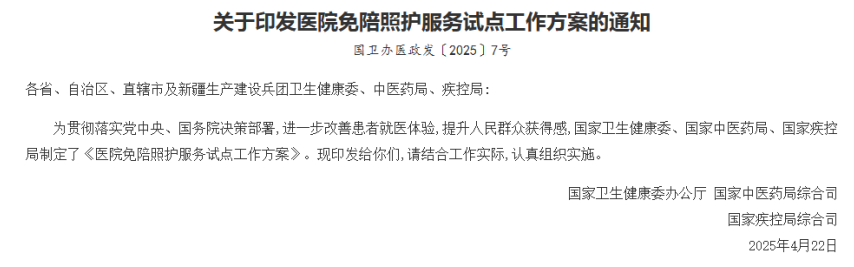
On April 22, 2025, the National Health Commission and three other departments issued the "Pilot Work Plan for Hospital-Free Companion Care Services". The plan states that in cities with a high degree of population aging and where the demand for free companion care services is significant, and where there is a solid foundation for the work, priority will be given to selecting tertiary hospitals where the proportion of elderly inpatients is high and where there is a strong demand for free companion care services. These hospitals will carry out pilot work for free companion care services.
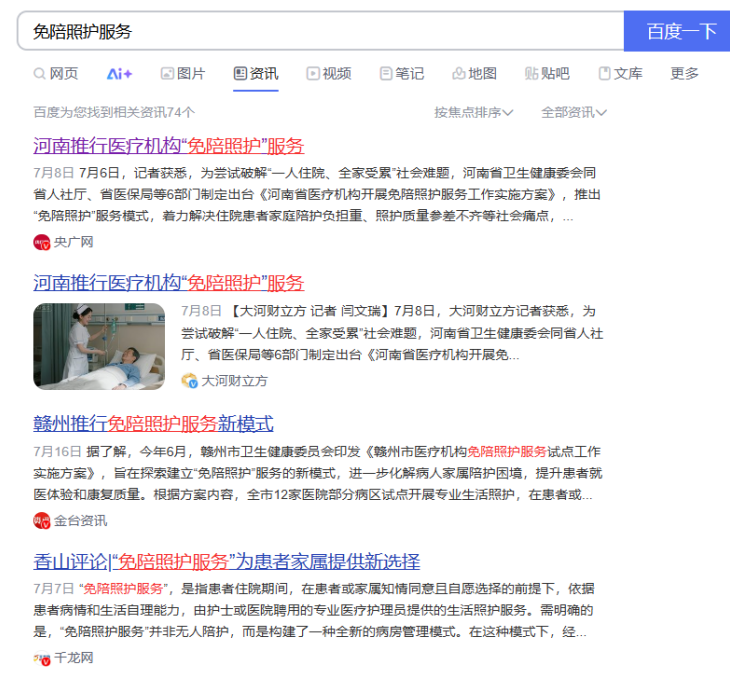
The so-called "free companion care services" mainly refer to the life care services provided by nurses or hospital-leased medical care workers based on the patient's condition and self-care ability during the patient's hospital stay, with the patient's or the patient's family's informed consent and voluntary choice. This aims to address social pain points such as heavy family companionship burdens for inpatients and uneven care quality, and to regulate the development of free companion care services in medical institutions, improving the patient's medical experience.
Under this policy context, Angke Intelligent Ward Room, with its targeted intelligent equipment, has become an important force to facilitate the smooth progress of the pilot work.
A perfect alignment between policy guidance and industry demands
The national free care service policy places great emphasis on leveraging information technology to optimize and efficiently operate medical service processes. The Angke Smart Ward, relying on advanced technologies such as the Internet of Things, big data, and artificial intelligence, creates an intelligent medical ecosystem. By deeply integrating with hospital information systems (HIS) and electronic medical record systems (EMR), it breaks down information silos and enables real-time sharing and precise transmission of patients' medical information. Doctors can view various vital sign data and test results of patients in the ward at any time from their offices, promptly adjust treatment plans; nurses can quickly obtain nursing tasks through handheld terminals and accurately execute medical orders, significantly improving the efficiency of medical staff. This aligns perfectly with the policy's requirement of enhancing the efficiency of medical services.

Aligned with the pilot direction, focusing on the care needs of elderly patients
The pilot plan selects hospitals with a high proportion of elderly inpatients as the priority. It fully considers the urgent need of elderly patients for professional care, and the construction of smart wards is the key carrier to implement this policy. The Angke Smart Ward is centered on the empowerment of Internet of Things technology. Starting from the physical characteristics and care difficulties of elderly patients, it builds an all-round intelligent care system. By improving medical quality and patient experience, it makes non-assisted care truly effective in the elderly patient group. Ensuring patient safety is the top priority of non-assisted care services in an unattended situation. The Internet of Things application system of the Angke Smart Ward plays a powerful role.
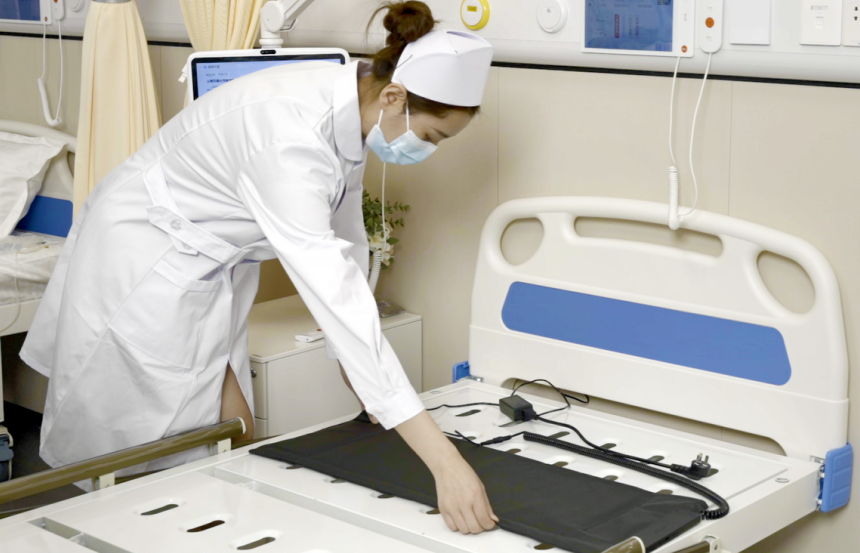
Life Sign Monitoring System:
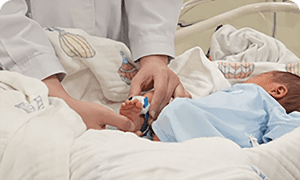
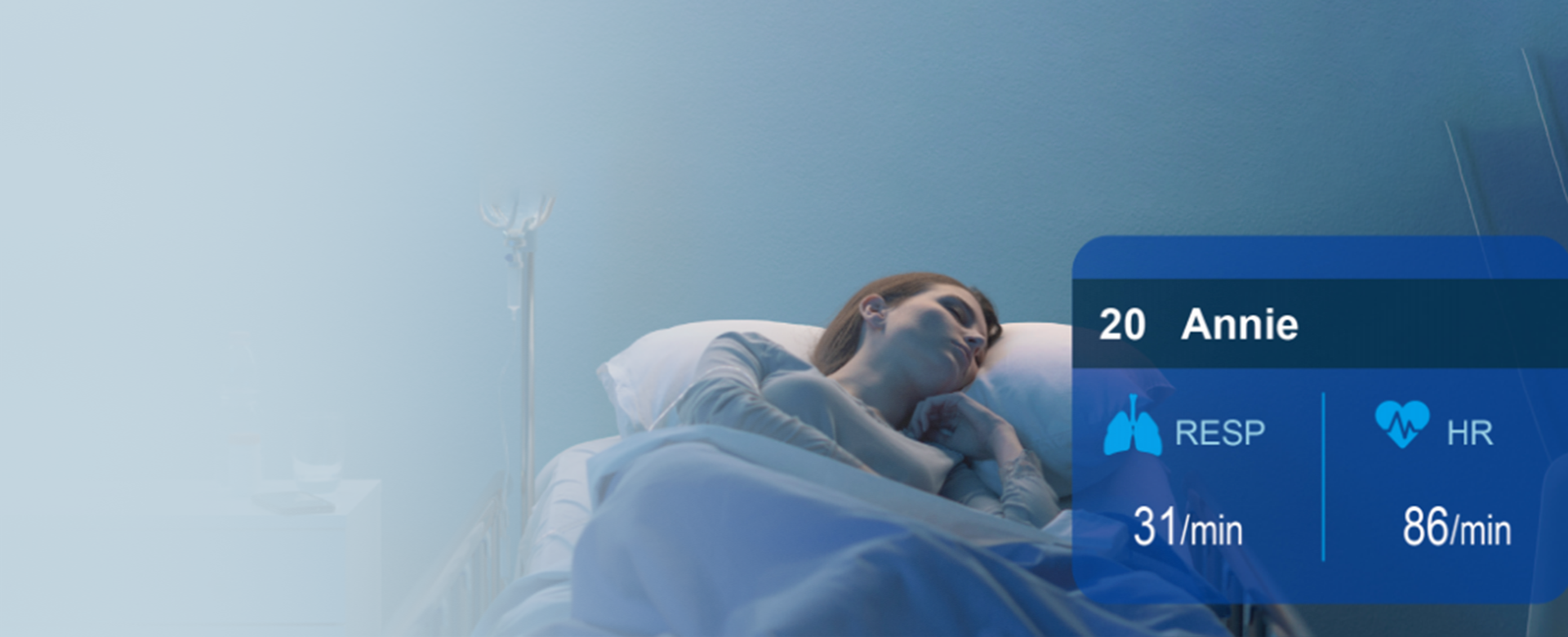
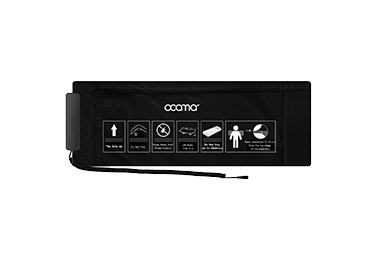
The life sign monitoring mattress is an "affectionate guardian" for elderly patients. This mattress, which holds a national Class II medical device certificate, continuously measures key life signs such as breathing, heart rate, in-bed status, and body movement (turning over) 24 hours a day. Elderly patients, especially those with limited mobility or confusion, are prone to accidents when getting out of bed. The in-bed status monitoring function of the mattress can promptly detect the patient's getting out of bed situation and give an alarm, alerting medical staff to pay attention. At the same time, by monitoring the turning over situation, it can also help medical staff determine whether the patient needs assistance with turning over, preventing complications such as pressure sores, fully meeting the professional care needs of elderly patients in the non-caregiver care mode, allowing technology to truly integrate into the care details, and enhancing patients' sense of security and comfort.
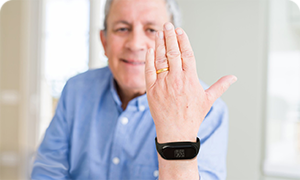
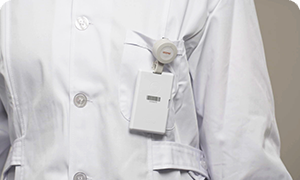
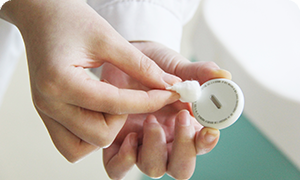
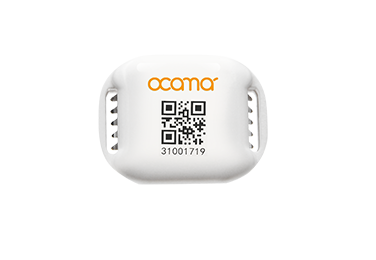
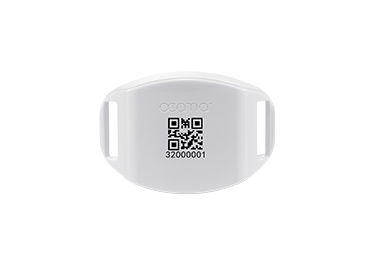
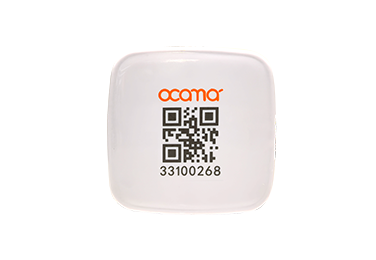
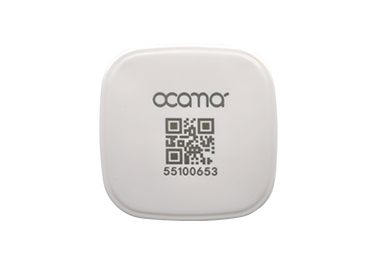
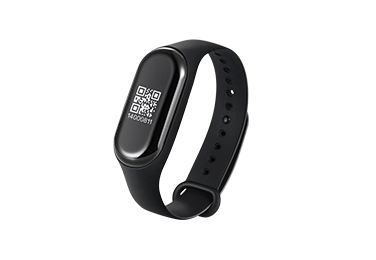
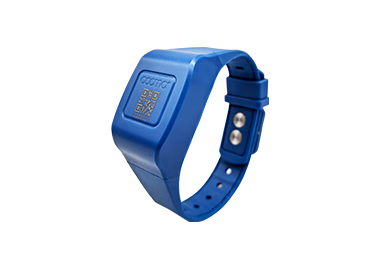
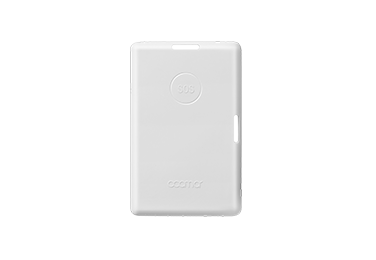
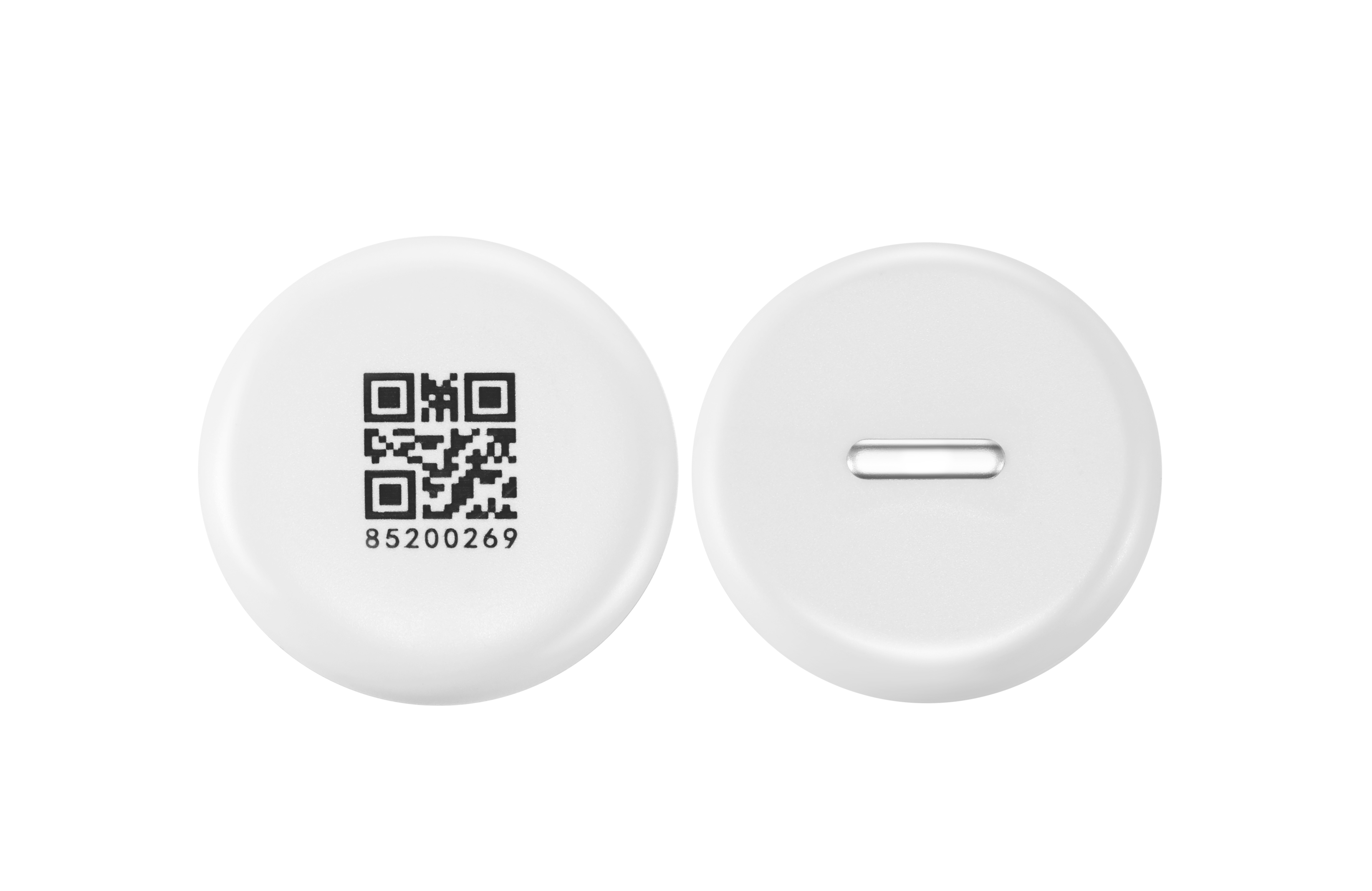
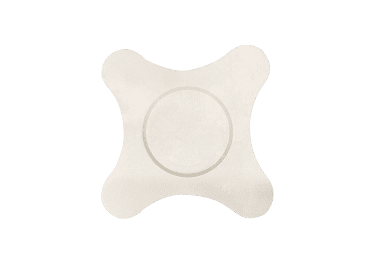
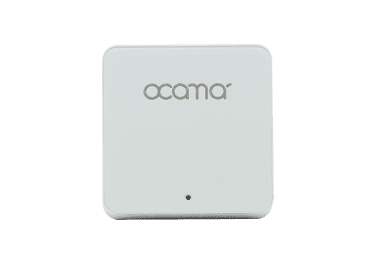
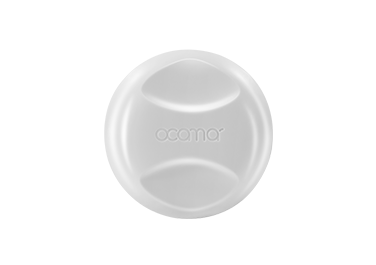
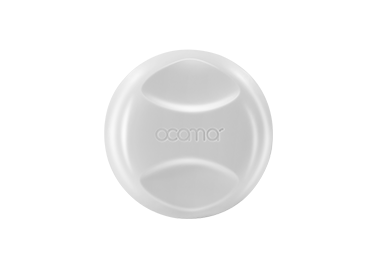
When used in conjunction with the mattress, the wireless body temperature monitoring system can continuously monitor body temperature 24 hours a day. The small temperature tags, which are attached to the patient's groin or armpit, can accurately capture every second's temperature change. Monitoring is conducted at the aortic position, with an accuracy of ±0.2°C, and temperature fluctuations within the range of 32.0-42.0°C can be detected in a timely manner. Once an abnormality occurs, the red/orange/green three-color graded warning will immediately activate, allowing medical staff to grasp the situation immediately. For elderly patients with slower reactions, this timely monitoring and warning is particularly important, effectively compensating for the lag of manual monitoring.
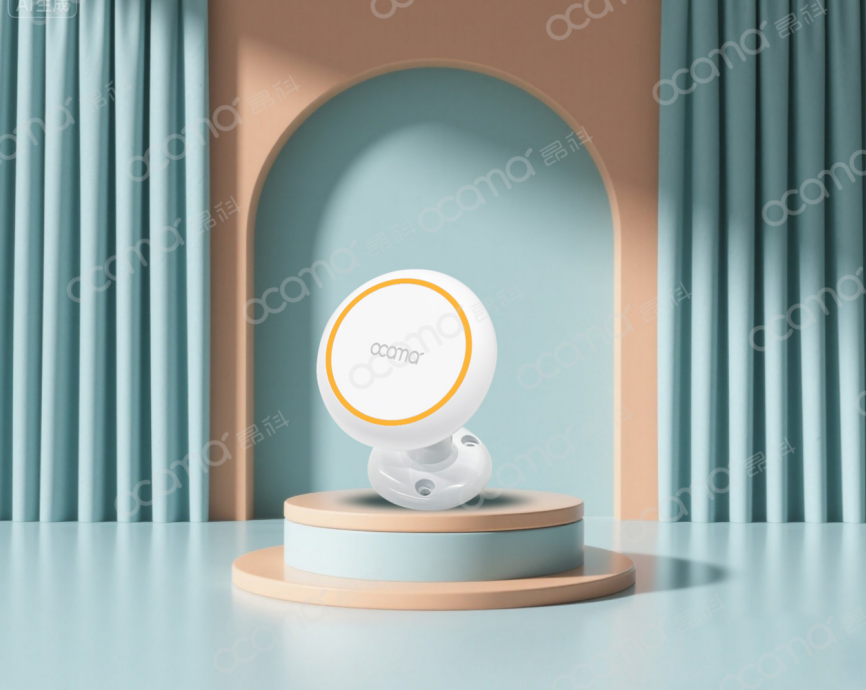
Fall Monitoring and Alert System:
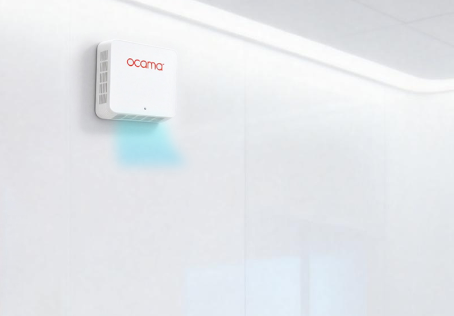
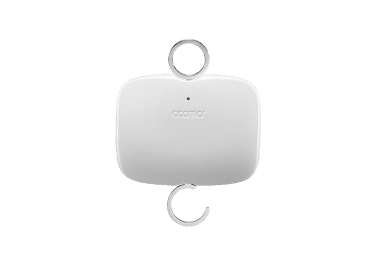
This fall monitoring and alert system is designed to address the issue of elderly patients' tendency to fall. It uses fall monitoring radar to sensitively detect abnormal movements of patients and promptly sends alerts to medical staff. Elderly patients have poor balance and often suffer severe consequences after a fall. This system can issue warnings at the earliest possible time, allowing medical staff to intervene promptly and reduce the risk of injury.
This standardized monitoring based on technology effectively compensates for the shortcomings of manual care in terms of attention and reaction speed, improving the stability of overall care quality. The equipment is small, easy to install, and can cover various places such as wards, corridors, stairwells, and bathrooms, providing a strong guarantee for improving in-hospital safety management.
Wireless Infusion Monitoring System:
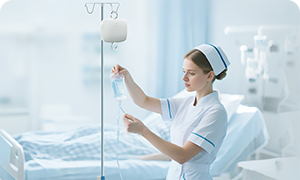
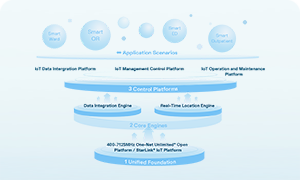
The infusion monitoring system relies on the independently developed OneNet Infini® medical-specific wireless Internet of Things platform to collect real-time infusion data through micro sensors. Its liquid level and flow monitoring use optical sensors to track the remaining amount of the drug solution and combine ultrasonic flow monitoring technology to achieve high-precision control of the drip rate within ±2 drops per minute, capable of automatically calibrating for bottle shaking or interruption of the drip. When abnormal drip rate, pipeline blockage, or patients' unauthorized adjustment of the drip rate are detected, the system will immediately trigger multiple levels of alarms, synchronously pushing information through the nurse station large screen, mobile terminal, and bedside screen.
This standardized monitoring and alarm process avoids the potential negligence or judgment differences that may occur during manual care, ensuring that every patient receives consistent high-quality infusion care.
The above Ascott Smart Hospital Internet of Things application system enhances medical quality and patient experience through technological empowerment.
To provide technical services for independent care services, reduce the workload of medical staff, and provide better humanized care services.
Intelligent interaction system enhances patients' ability to self-care and supports the implementation of the no-nurse-assistance policy.
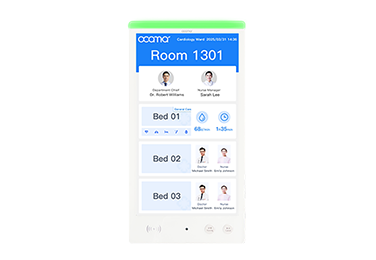
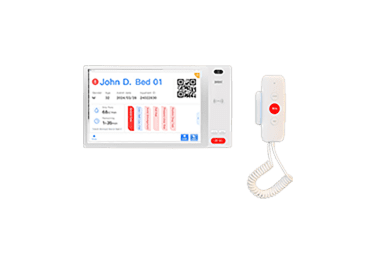
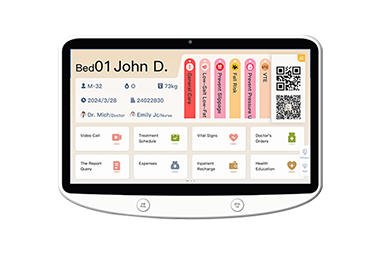
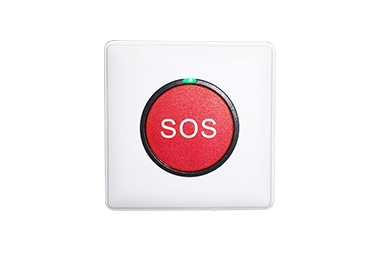
Improving patients' ability to self-care is a crucial aspect of implementing no-nurse-assistance care services. The intelligent bedside screens and bedside monitors equipped in the Angke intelligent ward have become powerful assistants for patients to access medical information and manage their own health. Patients can easily operate the screens to query treatment plans, medication information, and cost details, as well as receive personalized health education materials and learn about disease rehabilitation knowledge. For example, diabetic patients can obtain dietary and exercise suggestions through the screens and manage their conditions independently. When encountering problems, patients can call the nurse through the screens with a single click, and the voice interaction function enables patients with mobility issues to conveniently express their needs, greatly enhancing their autonomy and participation during hospitalization, and creating favorable conditions for no-nurse-assistance care.
It is worth noting that in addition to the aforementioned medical service functions, the screens have also added various intelligent services, bringing a new hospital experience to patients. The smart home control function allows patients to easily adjust the brightness of the room lights and the temperature of the air conditioner while lying in bed, creating a comfortable rest environment; the film and entertainment section gathers a vast amount of movies, TV series, and variety shows, allowing patients to enjoy a feast of audio-visual entertainment in their leisure time; the online ordering system includes a wide variety of dishes, and patients can choose their favorite based on their taste and dietary restrictions, with delicious food delivered directly to their bedside; the AI voice assistant is available on demand, whether it's for information inquiries, reminder settings, or service calls, a single command can handle everything; even changing bedding for daily life needs can be scheduled through the screens with a single click, eliminating the need to search for nurses everywhere. These personalized functional services have given patients who used to follow nurses around their own entertainment and living space, truly achieving one screen in hand, all needs met, and making hospital life no longer monotonous and boring.
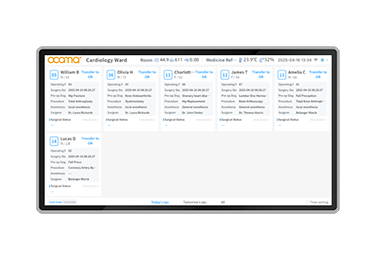
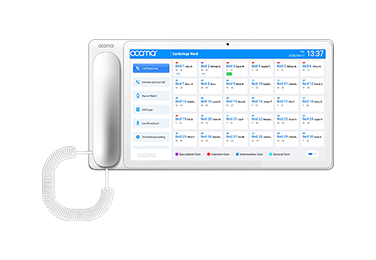
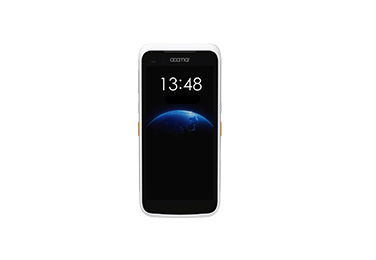
The implementation of the national free care service policy has placed higher demands on the efficiency and quality of medical staff. The Onke Smart Ward optimizes the workflow of medical staff through a series of intelligent tools. The nursing interaction large screen replaces the traditional nursing whiteboard, presenting key information such as the patient's condition, nursing tasks, and surgical arrangements in a clear and intuitive manner. Nurses can grasp the overall situation of the ward at a glance and plan their work reasonably. The mobile intelligent terminal PDA enables nurses to avoid cumbersome paperwork and complete operations such as patient information collection, doctor's order verification and execution at the bedside, reducing the time spent traveling to the nurse station and lowering the probability of information transmission errors. The intelligent nursing guide function generates personalized nursing plans based on the individual patient's condition, providing precise guidance for nurses and further enhancing the quality and professionalism of nursing services, ensuring that patients still receive high-quality and comprehensive medical care in the free care model.
The Onke intelligent ward products, with their outstanding technical advantages and innovative functions, deeply meet all the requirements of the national non-assistant care service policies. From enhancing patients' self-care ability to ensuring patient safety and optimizing the work processes of medical staff, they comprehensively promote the upgrading of the medical service model, contributing significantly to the construction of a more complete and efficient non-assistant care service system. It is an ideal choice for hospitals to enter the new era of intelligent and humanized medical services.



