





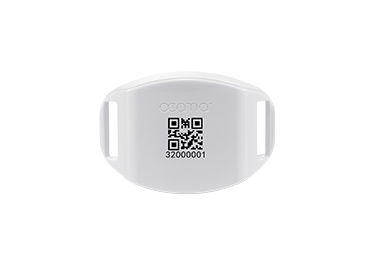

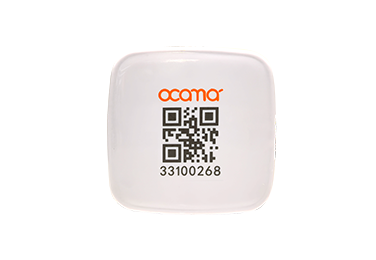
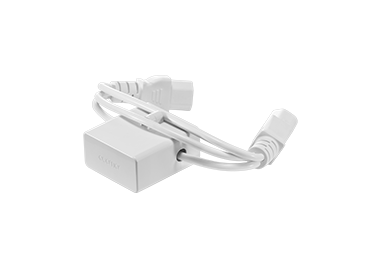
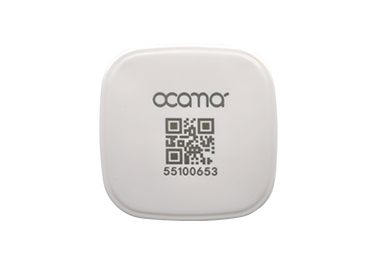
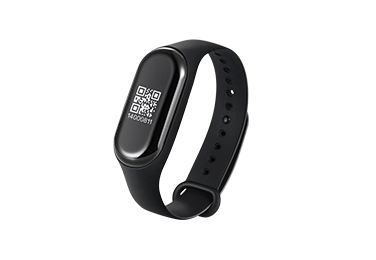
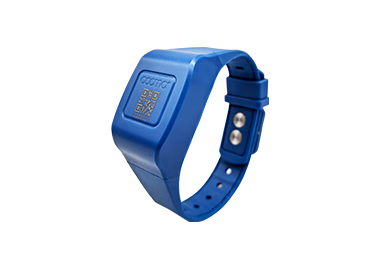
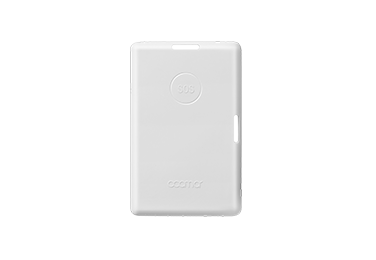
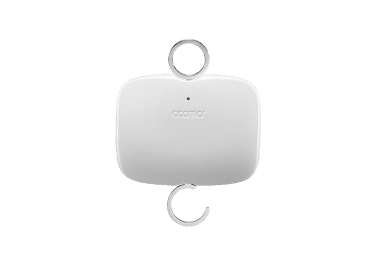
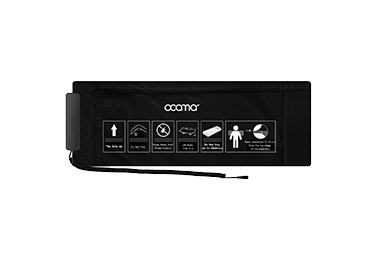
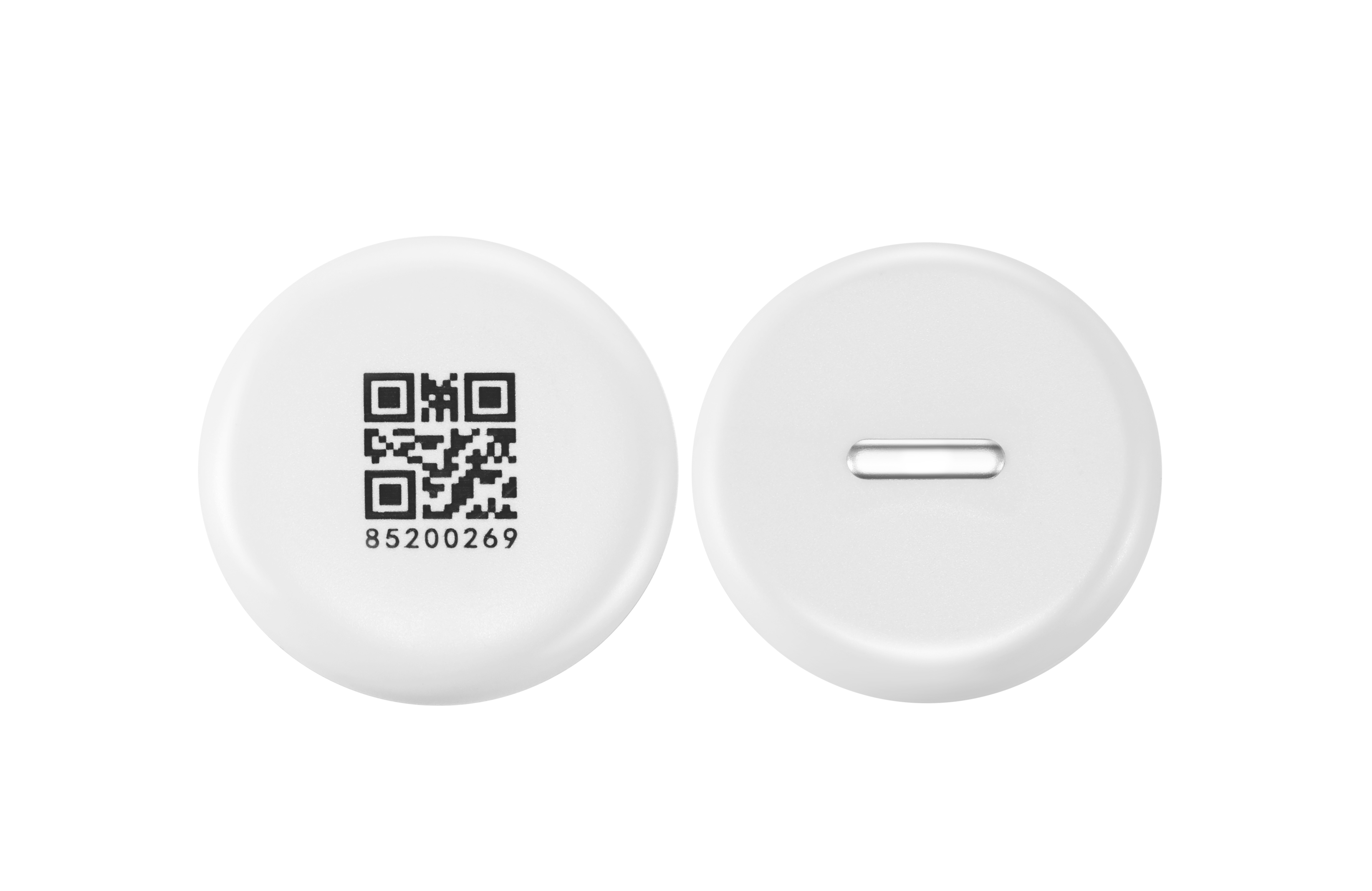

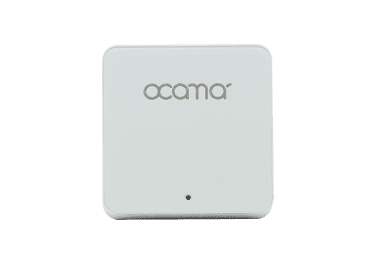
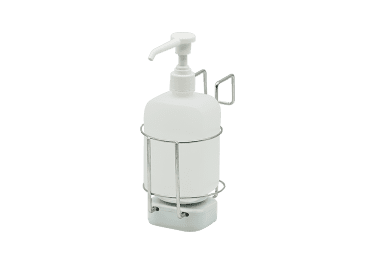
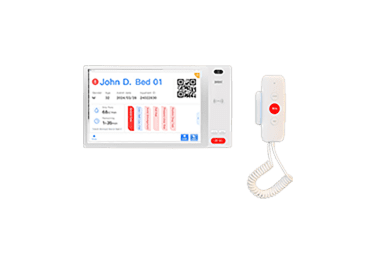
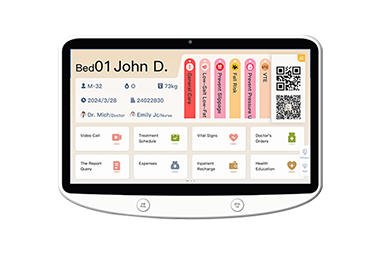
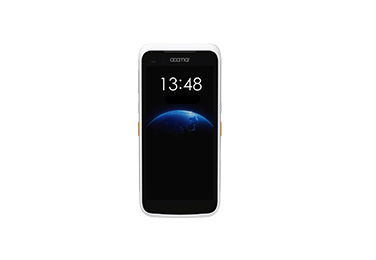
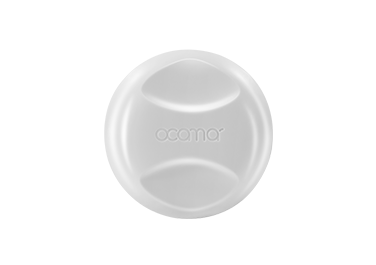
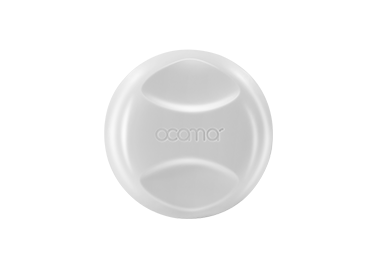
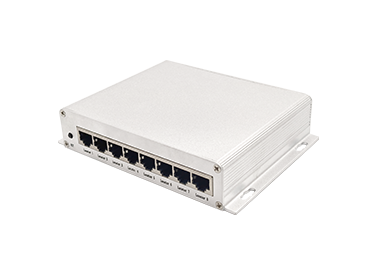
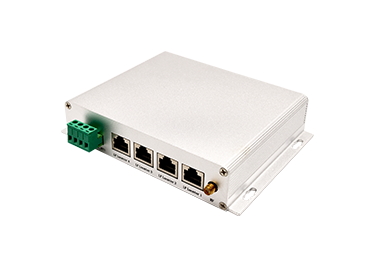
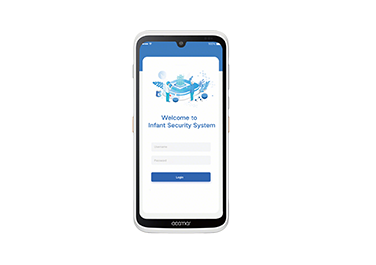


In the medical field, intravenous infusion is a common treatment method. However, during the traditional infusion process, both the tension of patients and their families constantly keeping an eye on the infusion bottle, as well as the busyness of nurses frequently checking on it, all reflect the numerous inconveniences involved. Now, the emergence of the Onco infusion monitoring system is quietly changing this situation, bringing about a brand-new transformation to medical care.

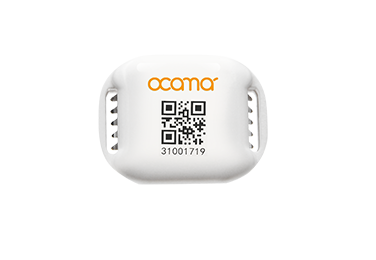
The Onco infusion monitoring system, leveraging advanced Internet of Things sensing technology, enables intelligent monitoring of the infusion process. It can accurately and in real-time obtain key data such as infusion speed and remaining volume, just like equipping the infusion process with an indefatigable "intelligent guardian". Once the infusion is about to end or abnormal drip rates occur, the system will immediately issue an alert, promptly notifying the nurses for handling. This not only significantly reduces the psychological burden on patients and their families during the infusion process, allowing them to rest peacefully, but also greatly enhances the work efficiency of the nurses, avoiding adverse events caused by negligence and making the infusion process safer and more comfortable.
Clinical trial data are a powerful demonstration of the advantages of the Onco infusion monitoring system. In a study targeting patients in the respiratory and critical care medicine department, researchers divided 161 patients in one ward into the conventional care group, which used the traditional manual infusion monitoring method; 160 patients in the second ward were divided into the intelligent care group, which introduced the intelligent ward system including the Onco infusion monitoring system.
The experimental results are remarkable. In terms of the incidence of infusion-related adverse events, the conventional care group administered 11,918 infusions, resulting in 266 cases of rapid / slow / blockage of infusion and 349 cases of empty infusion; while the intelligent care group administered 11,987 infusions, with only 38 cases of rapid / slow / blockage of infusion and 26 cases of empty infusion. The incidence of infusion-related adverse events in the intelligent care group was significantly lower than that in the conventional care group, and the data difference was statistically significant (P < 0.000). This indicates that the Angke infusion monitoring system can effectively reduce risks during the infusion process and ensure the safety of patients' treatment.
From the perspective of patient experience, the performance of the intelligent care group was also outstanding. The nursing satisfaction score of patients in the intelligent care group reached 68.53 ± 2.05 points, while that of the conventional care group was only 64.15 ± 4.86 points; the self-perceived burden score of patients in the intelligent care group was 19.40 ± 5.83 points, which was much lower than that of the conventional care group (25.17 ± 7.13 points). This indicates that the application of the Onco infusion monitoring system, combined with other measures of the intelligent care model, has enabled patients to feel more care and convenience during their hospital stay, effectively reducing their psychological burden and improving their medical experience.
In terms of the efficiency of nurses' work, the Angke infusion monitoring system has also played an important role. The nurses in the conventional care group spent 57.62 ± 6.89 minutes per day on infusion management, while those in the intelligent care group spent only 14.49 ± 5.39 minutes. Moreover, the time spent by nurses in the intelligent care group on health education, fee notification, and the transcription and verification of nursing information was significantly less than that of the conventional care group. At the same time, the stress and workplace fatigue scores of nurses in the intelligent care group were also lower, being 41.00 ± 5.04 and 22.00 ± 7.96 respectively, while those of the conventional care group were 47.93 ± 6.41 and 30.07 ± 8.85. This indicates that the Angke infusion monitoring system helps nurses free themselves from the cumbersome basic nursing tasks, reduces work pressure, improves work efficiency, and enables nurses to have more energy to provide better nursing services for patients.
The Angko infusion monitoring system, with its outstanding performance, has demonstrated significant advantages in improving the quality of care, ensuring patient safety, enhancing the patient's medical experience, and reducing the workload of nurses. As the development of smart healthcare continues, it is believed that the Angko infusion monitoring system will be applied in more medical institutions, contributing more to the progress of the medical industry and enabling every patient to enjoy more efficient and safer medical services.



