


The 2026 APEC CEO Summit, held in Shenzhen, Guangdong Province, China, from November 17 to 18, 2026, is a supporting event of the 33rd APEC Economic Leaders’ Meeting and an international economic and trade conference hosted by the China Council for the Promotion of International Trade. Global attention is focused on smart innovation in the Greater Bay Area. During her visit to Shenzhen for the summit, Mexican President Claudia Sheinbaum made a special visit to a Shenzhen smart hospital to experience firsthand the new model integrating AI, IoT technology, and clinical services, and highly praised Shenzhen’s smart healthcare: “It balances humanistic care with cutting-edge technology, which is truly impressive.” She also expressed her intention to introduce this smart healthcare solution and deepen international medical cooperation, making Shenzhen’s smart hospital a shining example of healthcare digitalization in the Asia-Pacific region.
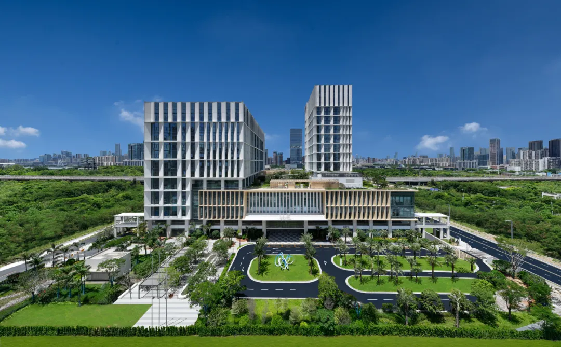
Smart healthcare is becoming a new calling card for Shenzhen to showcase its medical innovation capabilities to the Asia-Pacific region. In Qianhai, Shenzhen, Shenzhen Qianhai TaiKang Hospital—a high-quality Grade 3A benchmark hospital in the Greater Bay Area—is a flagship demonstration project for Ocamar and a typical model of Ocamar’s integrated smart hospital solution. It has long embedded smart healthcare concepts across the entire chain of diagnosis and treatment, nursing, logistics, and patient services, building a replicable and scalable smart hospital model oriented toward international standards.
Qianhai is a frontline window for the opening-up of Guangdong, Hong Kong, and Macao. Leveraging Qianhai’s policy advantages as a pilot zone, Shenzhen Qianhai TaiKang Hospital is positioned as an integrated medical center combining medical care, education, and research, with 1,100 planned beds. It brings together top domestic specialists and is equipped with cutting-edge hardware including the da Vinci surgical robot, linear accelerators, and high-end imaging equipment. Complemented by the Hong Kong and Macao Medicine and Medical Device Connect advantage, it opens channels for advanced international medicines and devices, solidifying a high-quality foundation for diagnosis and treatment.
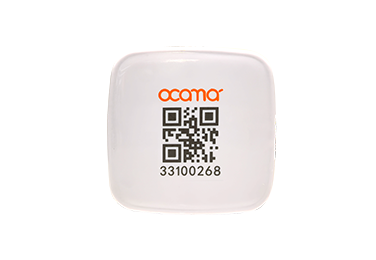
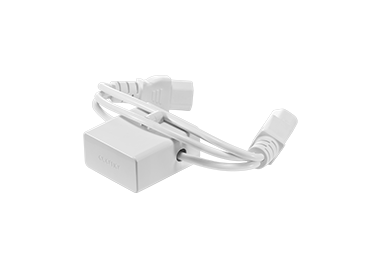
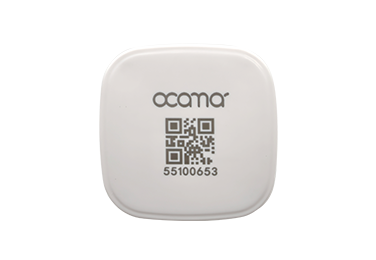
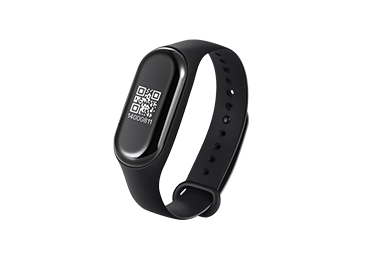
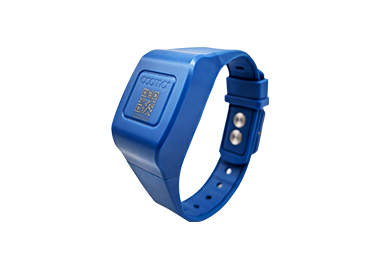
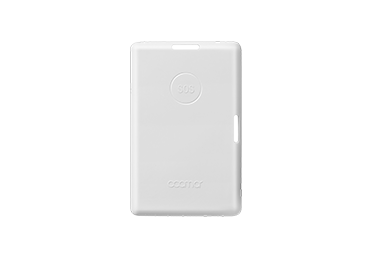
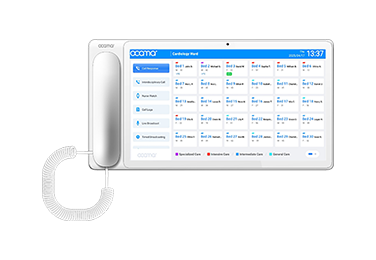
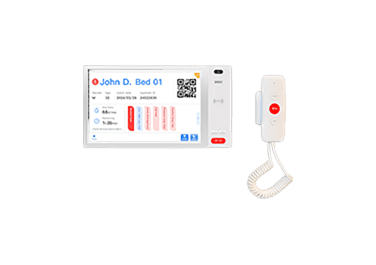
The hospital has fully deployed Ocamar’s One-Net Unlimited® Open Platform, Smart Nurse Call System, and IoT applications, implementing the Nurse Station Dashboard, Digital Bedside Display, Bedside Infotainment Terminal, IV Infusion Monitoring System, Indoor Wayfinding System, and other application systems.
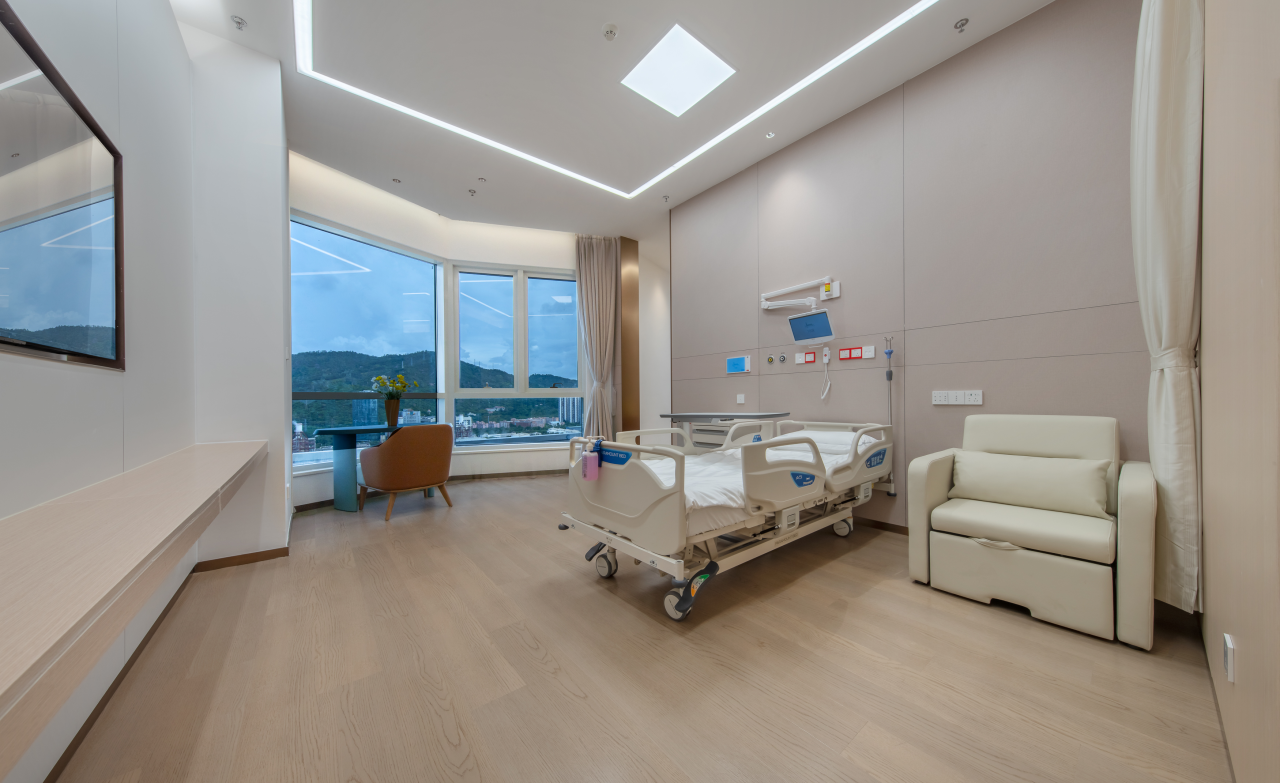
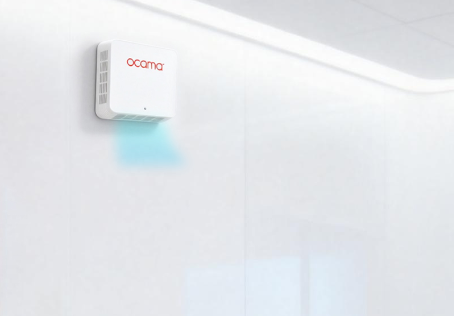
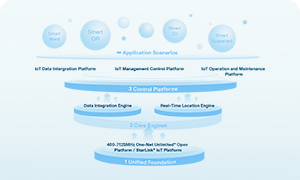
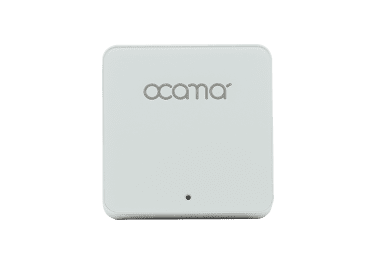
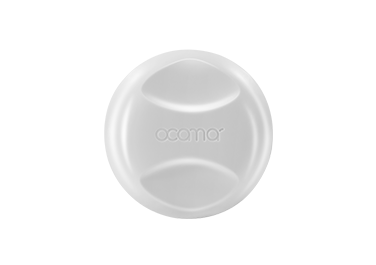
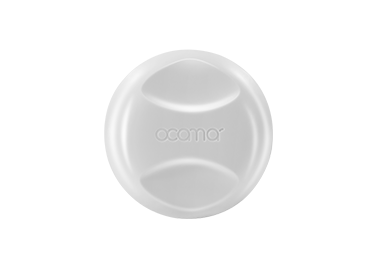
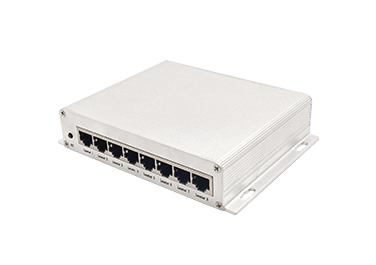
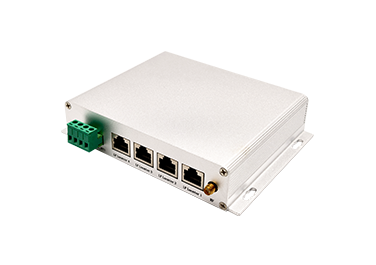
Relying on Ocamar’s One-Net Unlimited® Open Platform, the hospital achieves full-domain interconnection. The platform supports operation across the full frequency range from 400 MHz to 7,125 MHz and is compatible with communication protocols including WiFi, ZigBee, LoRa, RFID, Bluetooth, and carrier 5G. A single micro-base station can carry multiple services such as mobile nursing, device monitoring, indoor navigation, and asset location, achieving one network for multiple uses and integration of multiple networks, providing a stable and unified network foundation for various smart ward applications. The platform offers free open interfaces to third-party systems, facilitating the hospital’s phased integration of different systems and avoiding redundant construction.
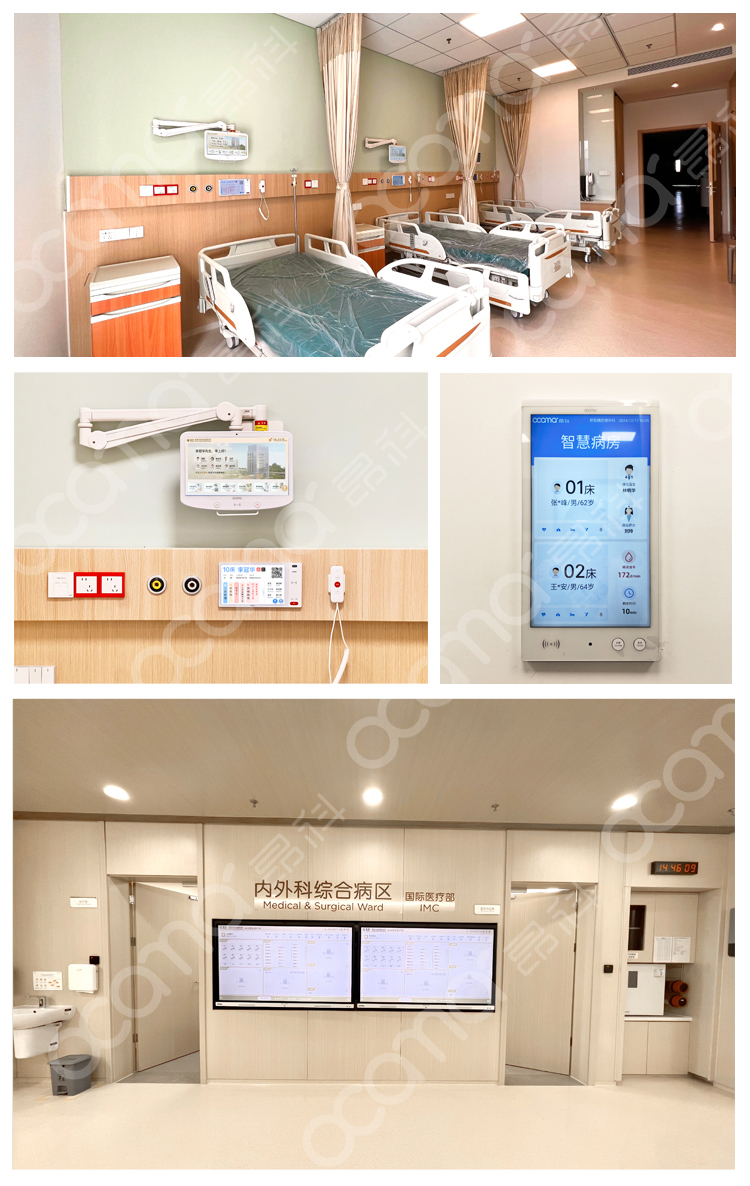
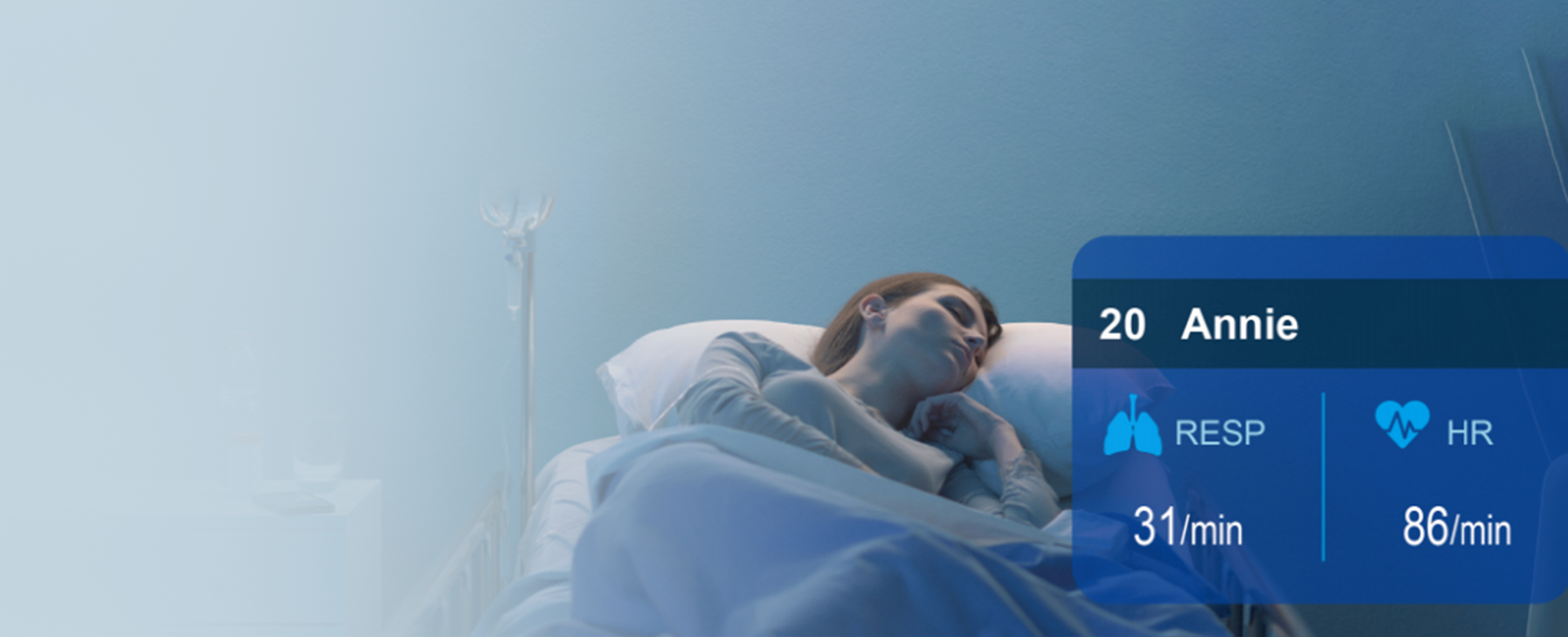
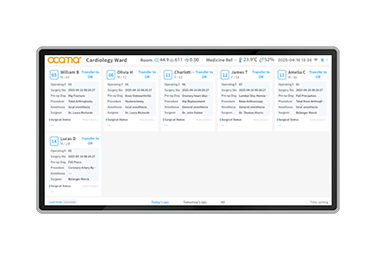
The Nurse Station Dashboard changes the traditional static whiteboard format. The new whiteboard function features a built-in multi-functional component library, making it a next-generation interactive hub for clinical data and information processing in the ward. With a natural and fluid operating experience and a user-friendly interface, it centrally presents system data including the nursing dashboard, IoT integrated dashboard, patient cards, staff on-duty information, real-time task reminders, notification management, medical-care interaction, nursing information, and information monitoring, facilitating nurses’ daily work and effectively improving efficiency. The IoT integrated dashboard supports one-click switching among infusion, mattress, temperature, and environment dashboards. The number of dashboards can be intelligently configured by ward, and alerts are graded by warning level, making information hierarchy clear and nursing monitoring flexible and efficient.
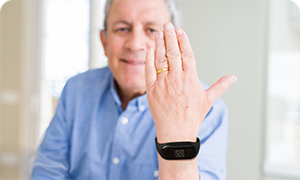
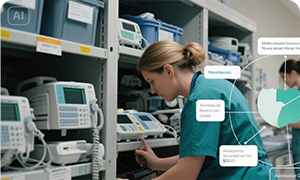
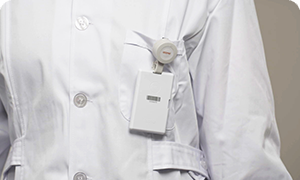
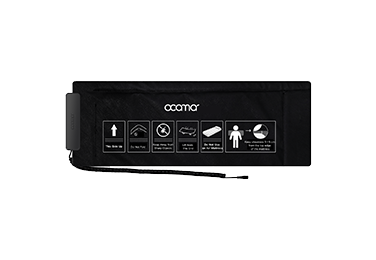
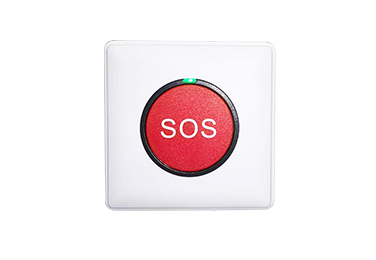
At the bedside, patients can call medical staff with one click, check examination reports, receive diagnosis and treatment reminders, handle settlement self-service, and conduct remote visits, simplifying complex medical procedures. Hospital materials and medical textiles are equipped with RFID digital tags, enabling full-process trajectory tracking and refined infection control. Relying on Ocamar’s digital nursing platform, medical rounds, condition recording, and risk warnings form a closed online loop. Abnormal infusion remaining volume and vital signs trigger automatic warnings, transforming passive response into proactive monitoring, returning nurses to patients, and balancing diagnostic efficiency with humanistic warmth.
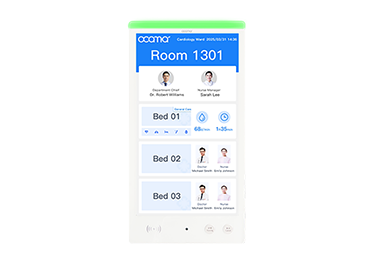
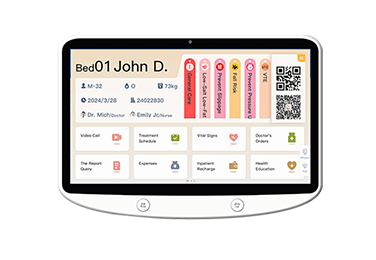
The Digital Bedside Display and Bedside Infotainment Terminal installed at the head of the bed further enhance the patient hospitalization experience. The Digital Bedside Display integrates functions including electronic bed card, nursing level display, nurse station broadcast, bed call, health education, expense inquiry, IoT data monitoring, and hospital department introduction, effectively improving communication and interaction between medical staff and patients. The Bedside Infotainment Terminal, beyond basic information display and viewing functions, adds health guidance, medication reminders, video calls, bedside settlement, report inquiry, and in-hospital meal ordering, meeting patients’ individualized needs during hospitalization and effectively improving satisfaction. The Bedside Infotainment Terminal also supports medical staff card swiping to retrieve medical records and test reports, allowing rounds and nursing records to be completed at the bedside, reducing time spent traveling to and from the nurse station.
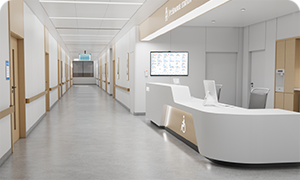
For the Indoor Wayfinding System, the hospital has introduced Ocamar’s precision navigation solution, utilizing advanced indoor positioning technology to provide patients and family members with full-process guidance from admission registration to consultation, examination, and medication pickup. The system covers core scenarios such as “finding locations, finding people, and finding cars.” Whether for first-time visitors or follow-up patients, destinations can be easily reached, significantly reducing time spent searching for departments and waiting in line, making the medical experience smoother and more efficient.
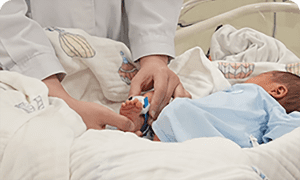
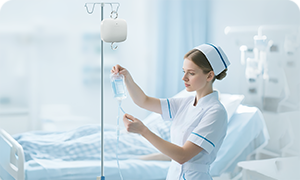
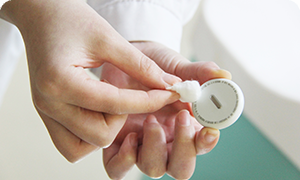
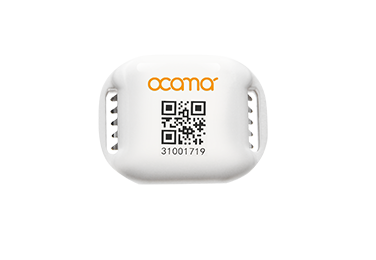
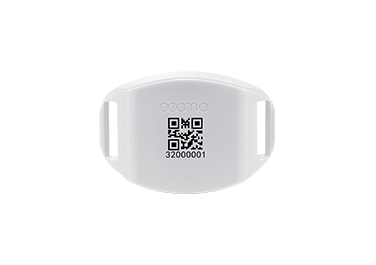
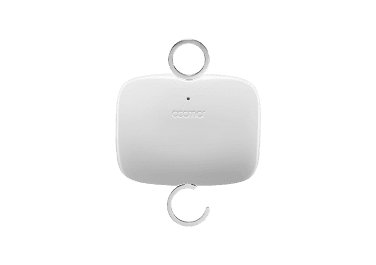
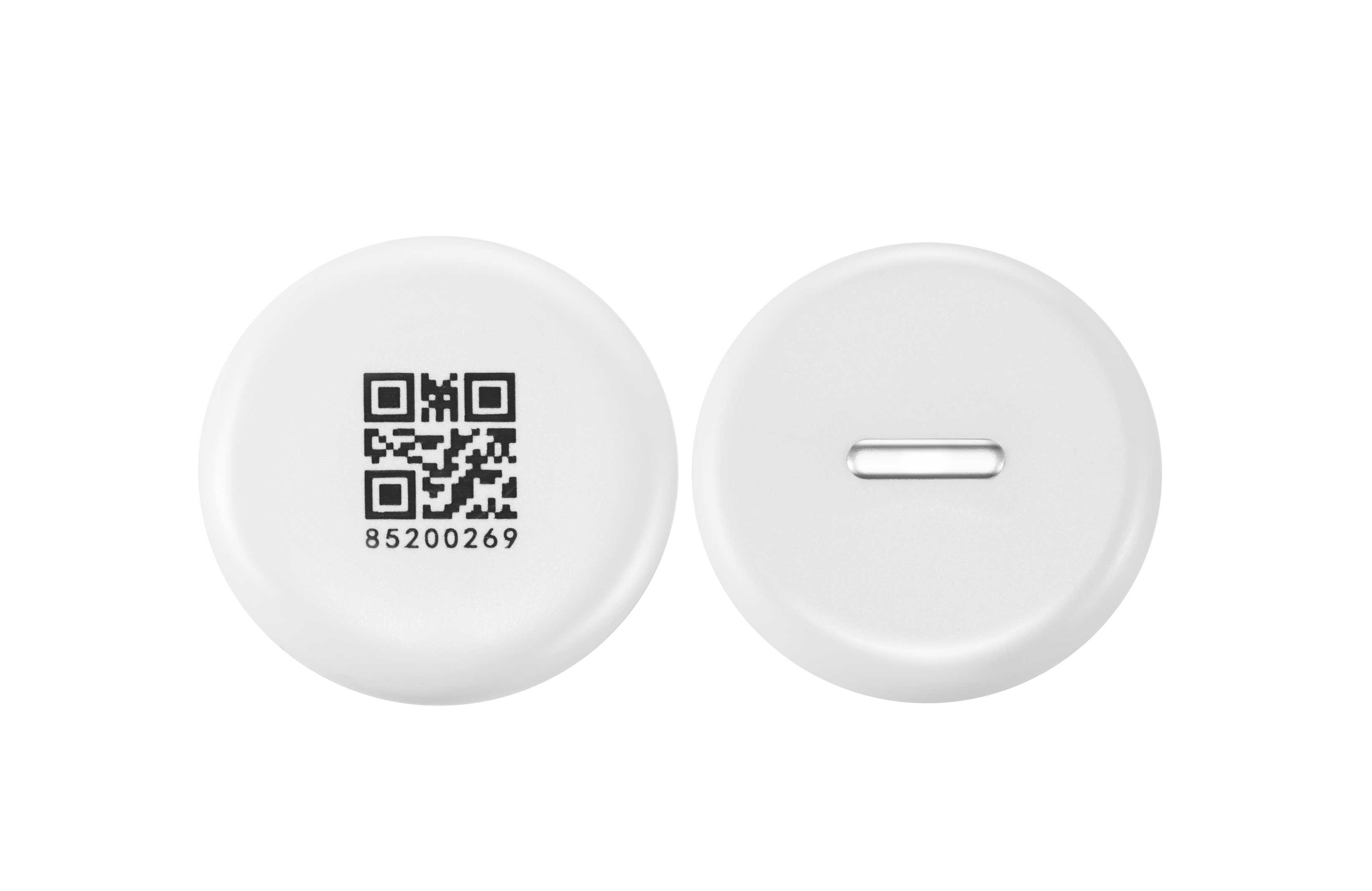
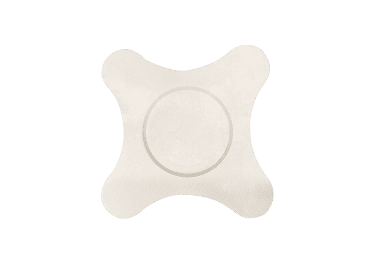
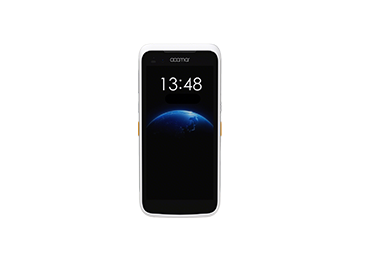
In the field of infusion safety monitoring, Ocamar’s IV Infusion Monitoring System stands out for its high precision and real-time capability. The system continuously tracks key parameters such as infusion rate and remaining volume. When abnormal drip rates or imminent fluid depletion are detected, it immediately issues an alert and synchronously pushes it to the Medical Handheld Mobile Computer, notifying medical staff for timely intervention. The product holds a Class II medical device registration certificate, is powered by dry batteries with a battery life of over one year, requires no charging, and does not interfere with existing infusion workflows or the “three checks and seven verifications” procedure. The application of this innovative technology effectively reduces infusion risks caused by human factors, providing patients with a safer and more reliable infusion treatment environment, while also freeing nurses from repeated ward rounds, leaving more time for bedside care and condition observation.
Unlike approaches that merely stack high-end equipment, the core of this smart solution built by Ocamar for Qianhai TaiKang Hospital is technology serving people: using IoT to break down data silos across wards, pharmacy, laboratory, and logistics; using digitalization to reduce medical wait times and redundant work for medical staff. It achieves refined hospital operations management while preserving the humanistic foundation of medical services—precisely aligning with the smart healthcare direction that the Mexican President focused on during this visit.
This APEC meeting sends a clear signal: demand for inclusive, efficient, and intelligent healthcare solutions across Asia-Pacific countries continues to rise, and many developing nations hope to learn from China’s smart hospital construction experience to upgrade their local healthcare systems. Shenzhen Qianhai TaiKang Hospital, rooted in Qianhai, is both a high-quality medical center serving Greater Bay Area residents and a benchmark window for Ocamar to showcase and export smart healthcare construction experience to overseas markets.
From Shenzhen’s smart hospital gaining recognition from an international head of state to Qianhai TaiKang Hospital’s continued refinement of Ocamar’s proven deployment scenarios, smart healthcare in the Greater Bay Area is moving from isolated pilot projects toward systematic export. In the future, as Asia-Pacific medical cooperation continues to deepen, with the Qianhai TaiKang benchmark project as a carrier, Ocamar’s integrated smart hospital solution will continue to export China’s smart ward and smart nursing construction experience, contributing to the coordinated development of healthcare digitalization in the Asia-Pacific region.



