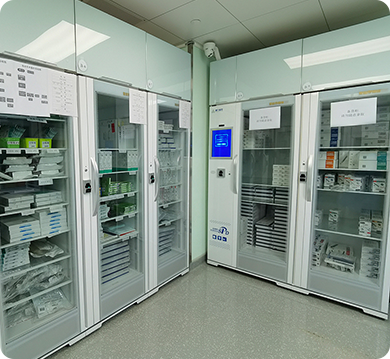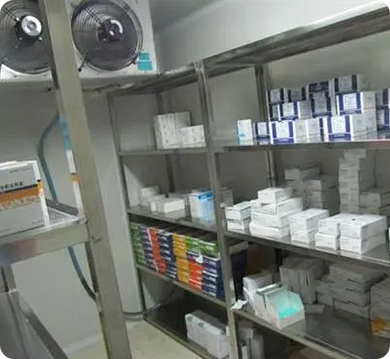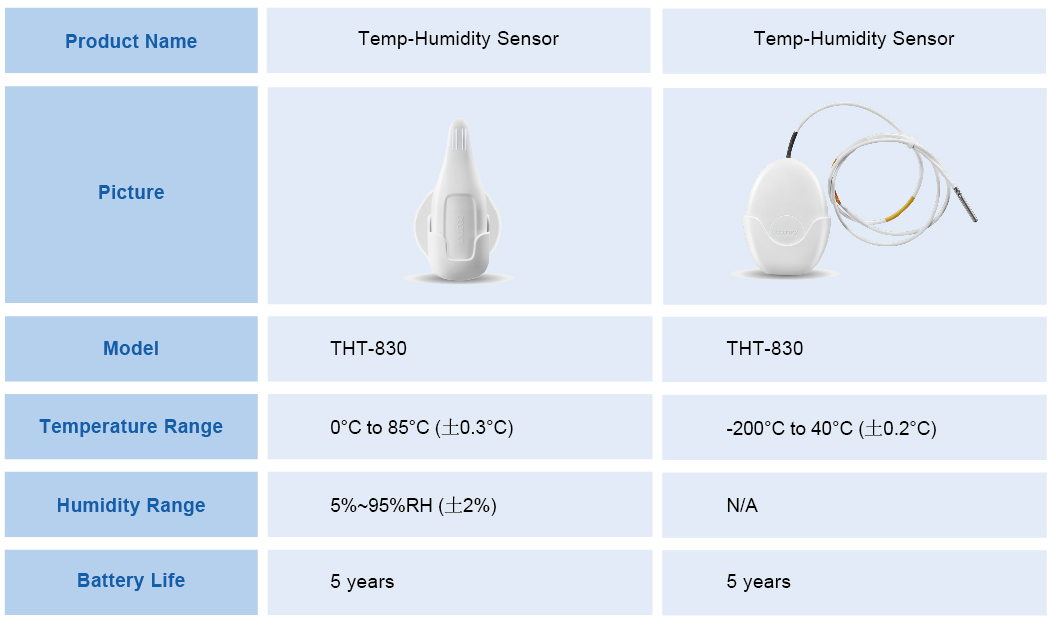



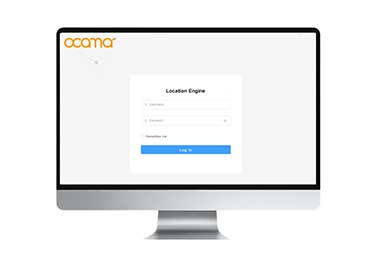
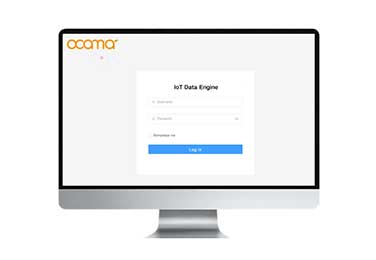

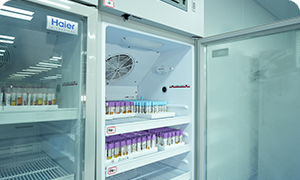
Global mainstream regulatory agencies and international standards have mandatory requirements for cold chain temperature monitoring. FDA, EMA, and other organizations require medical institutions to establish a comprehensive temperature recording system. PIC/S guidelines specify standardized requirements for cold chain equipment calibration, data integrity, and personnel training. ISO 13485 includes temperature monitoring as a core indicator of medical quality management systems.
A comprehensive temperature monitoring system can ensure that hospitals pass GSP certification, international medical quality reviews, and avoid compliance risks such as fines and business suspensions, while also meeting international requirements for data retention beyond the expiration date of drugs for at least one year.
CN
-
Solutions
-
 RTLSInfant Security System
 -
 RTLSWander Management System
 -
 Nurse Call System
 -
 Infusion Monitoring System
 -
 Vital Sign Monitoring System
 -
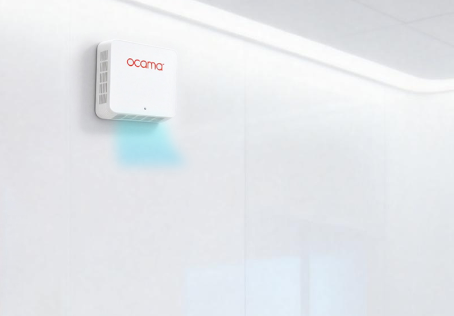 Hospital Environmental Monitoring System
 -
 RTLSAsset Management System
 -
 Healthcare Mobile Computer
 -
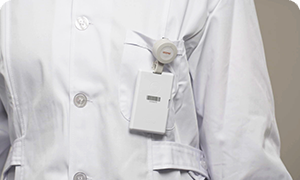 Staff Duress System
 -
 Hand Hygiene Monitoring System
 -
 Hospital Temperature Monitoring System
 -
 Body Temperature Monitoring System
-
-
Products
-
 RTLSInfant Tag
 -
 RTLSMother Tag
 -
 Infant Band
 -
 RTLSBluetooth Asset Tag
 -
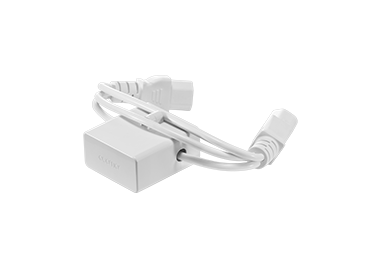 Energy Monitoring Tag
 -
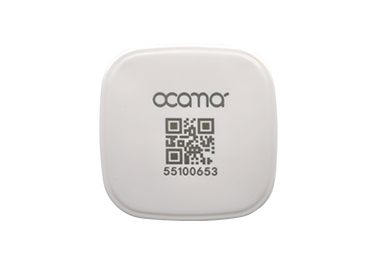 Bluetooth Equipment Status Tag
 -
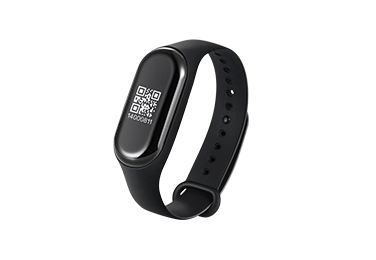 RTLSWanderManage Wristband
 -
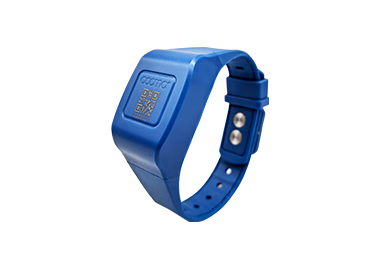 RTLSWanderManage Wristband (Tamper-Resistant)
 -
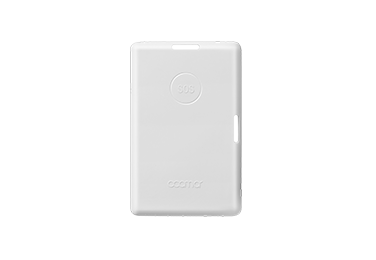 RTLSStaff Badge
 -
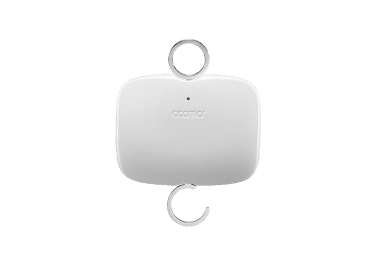 IV Monitoring Sensor
 -
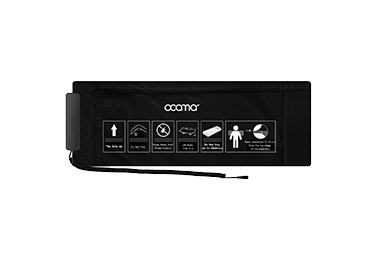 Vital Sign Monitoring Mattress
 -
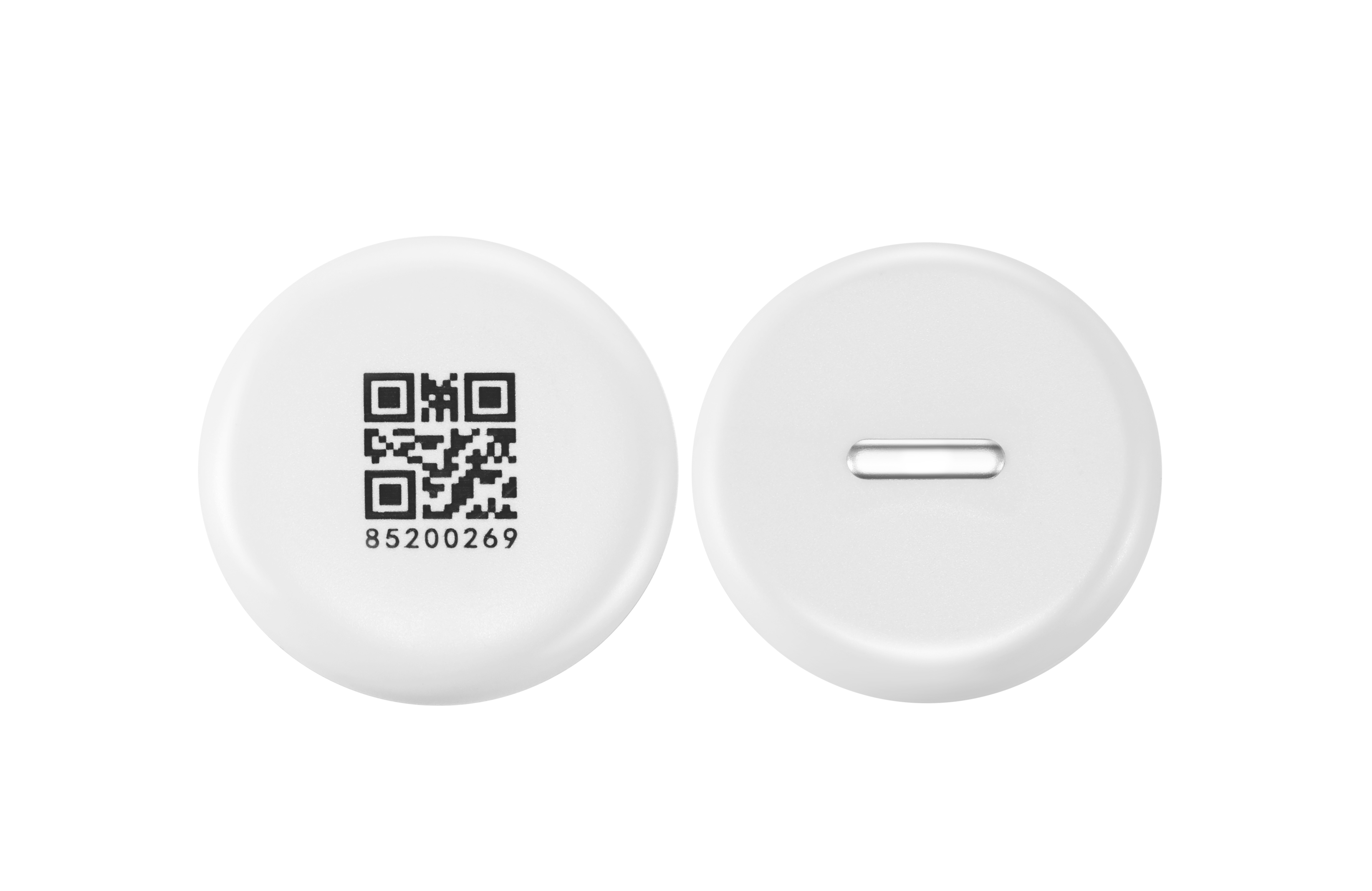 Temperature Tag
 -
 Temperature Tag Patch
 -
 Hospital Environmental Monitoring System
 -
 Hand Hygiene Monitor
-
- Resources
- About Us
- Partnerships