

Patient safety is the core bottom line of medical services.
In the development process of smart healthcare, the integration of technological innovation and humanistic care has become the key to improving the quality of medical services.
In the core scenarios of medical services, the efficiency and accuracy of communication in the wards directly determine the quality of medical services and the patient experience.
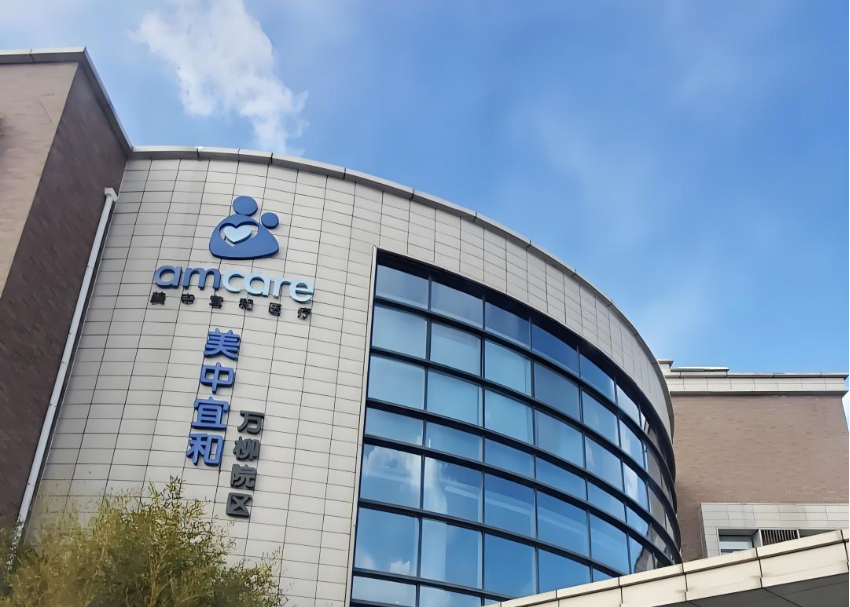
Since its establishment in 2006, the Meichengyihe Medical Group has always adhered to the core principle of "patient-centeredness".
With the rapid development of smart healthcare, medical institutions have put forward higher requirements for the diversified adaptation ability and data processing capacity of nursing equipment.
As a tertiary-class first-class specialized hospital with a history of nearly 80 years, Shanghai First Maternity and Infant Health Care Hospital (now Tongji University Affiliated Obstetrics and Gynecology Hospital) has always been at the forefront of China's maternal and child health care.
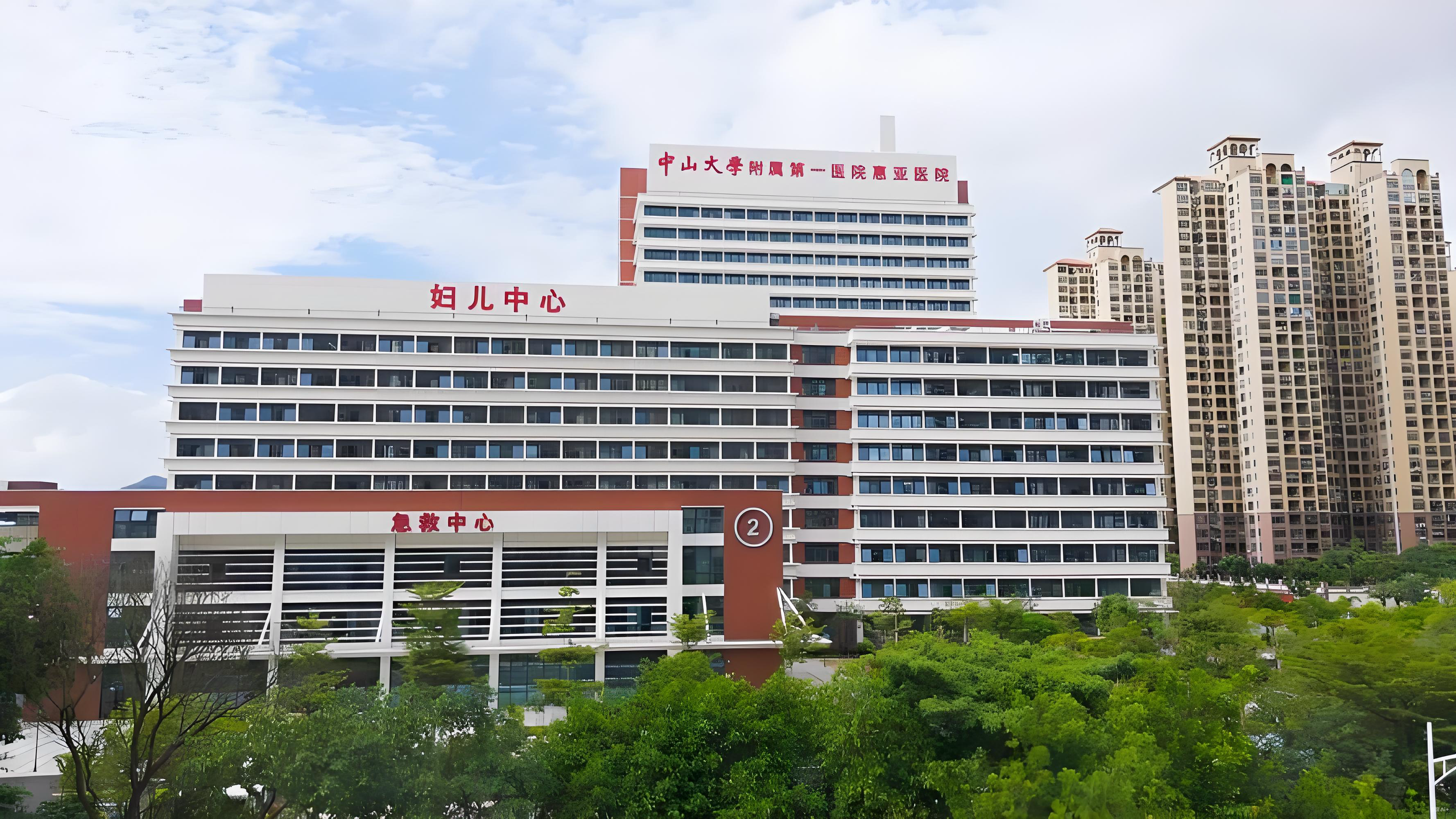
On August 9, 2024, after four years of meticulous planning and meticulous construction, the Shenzhen Qianhai Taikang Hospital was grandly inaugurated. As a remarkable achievement of the strong collaboration between Taikang Insurance Group and the Qianhai Administration Bureau, this medical flagship located in the Guangdong-Hong Kong-Macao Greater Bay Area has brought high-quality medical and health centers to Shenzhen and the entire Greater Bay Area, adhering to the standards of a large tertiary general hospital.
As a regional medical benchmark, Wuxi Second People's Hospital (South Campus) has a profound historical foundation and strong medical capabilities. Over the years, it has been committed to providing patients with high-quality and efficient medical services.
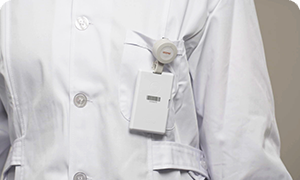
The efficiency of medical staff directly affects the coverage and quality of medical services. Complicated work processes and repetitive manual operations often become the key factors restricting the improvement of efficiency.
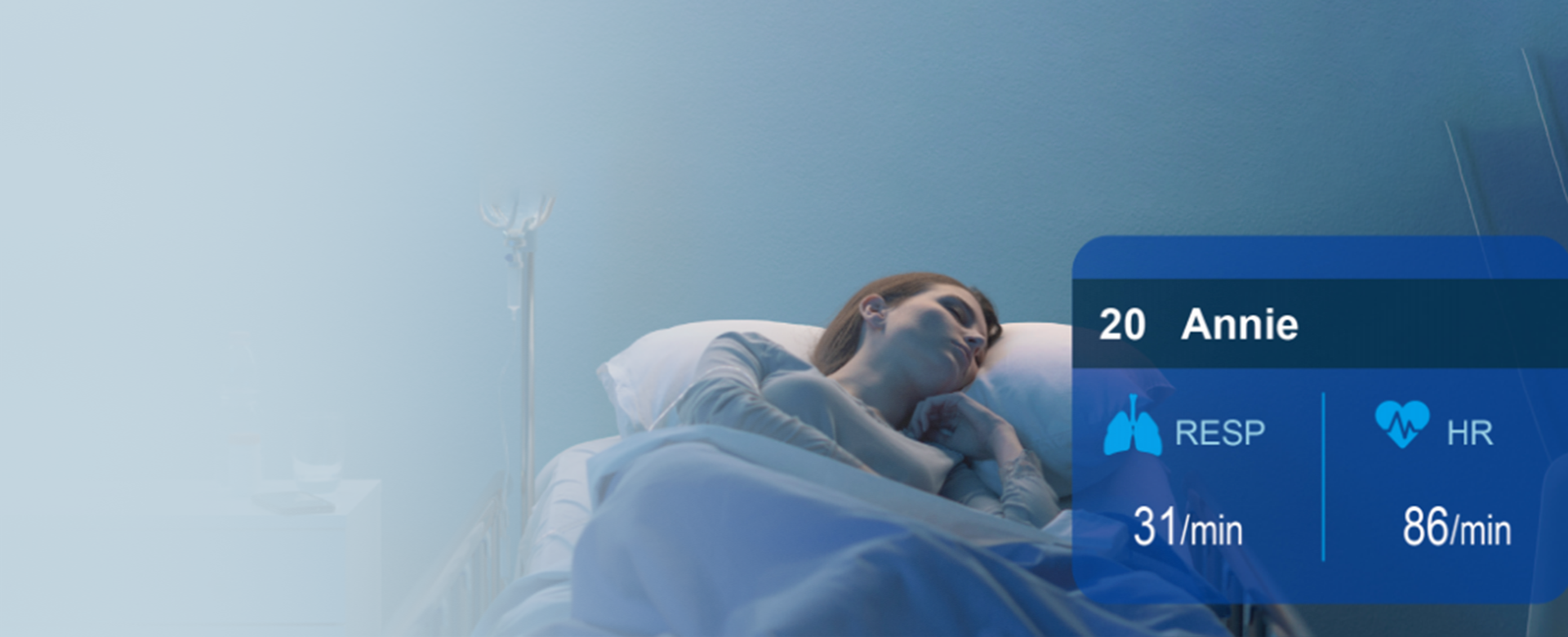
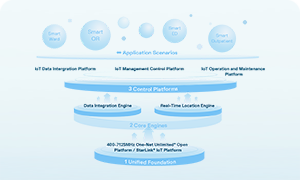
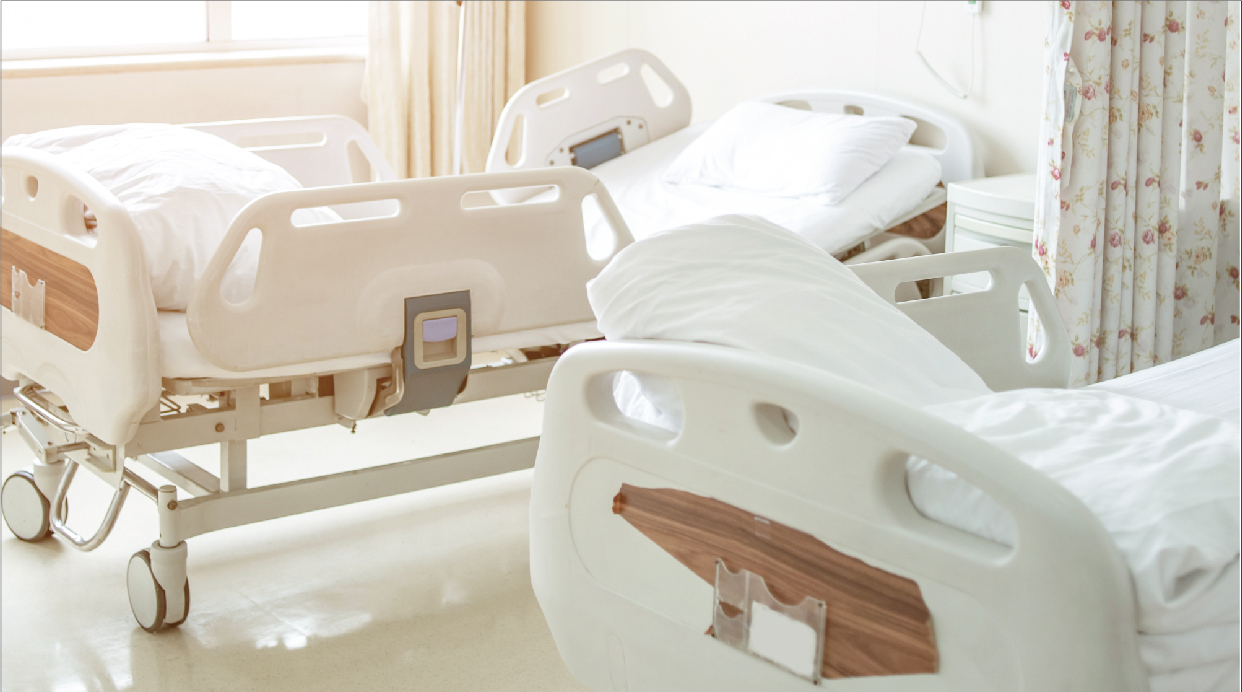
Driven by the medical Internet of Things technology, the construction of smart wards has become the core direction of hospital digital transformation.
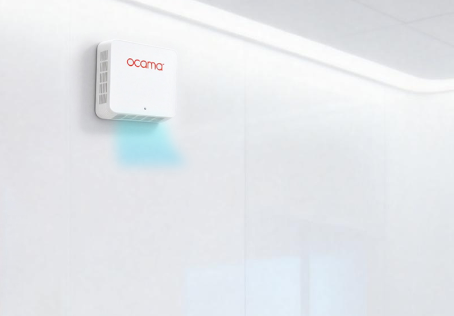
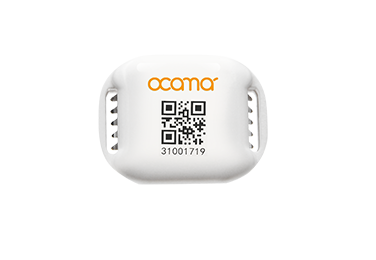
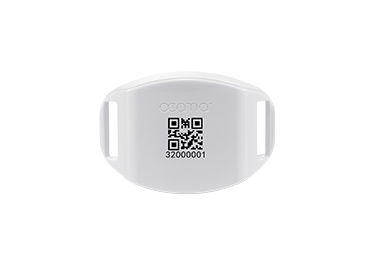
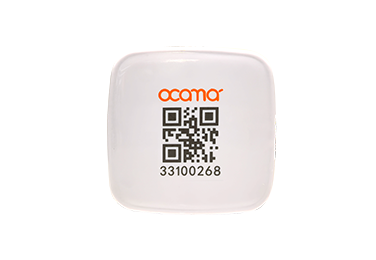
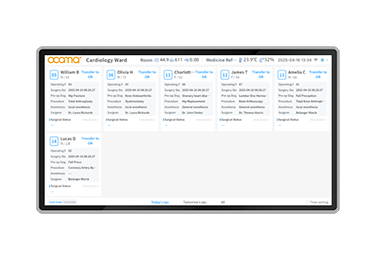
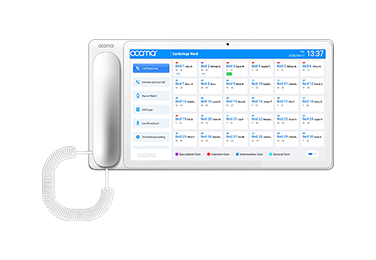
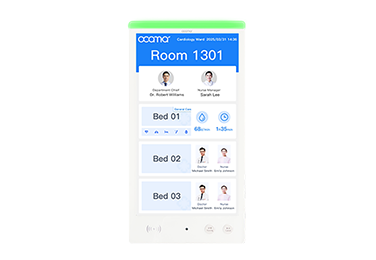
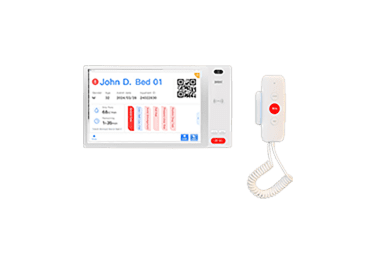
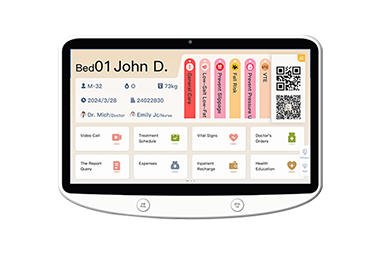
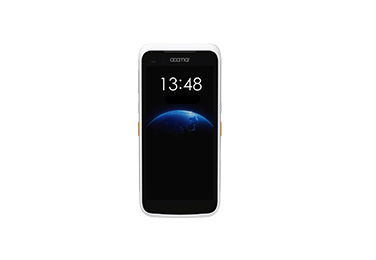
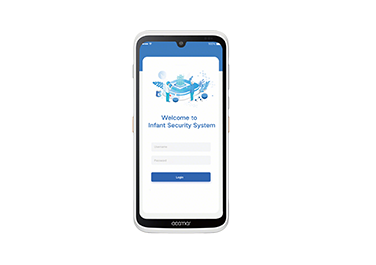
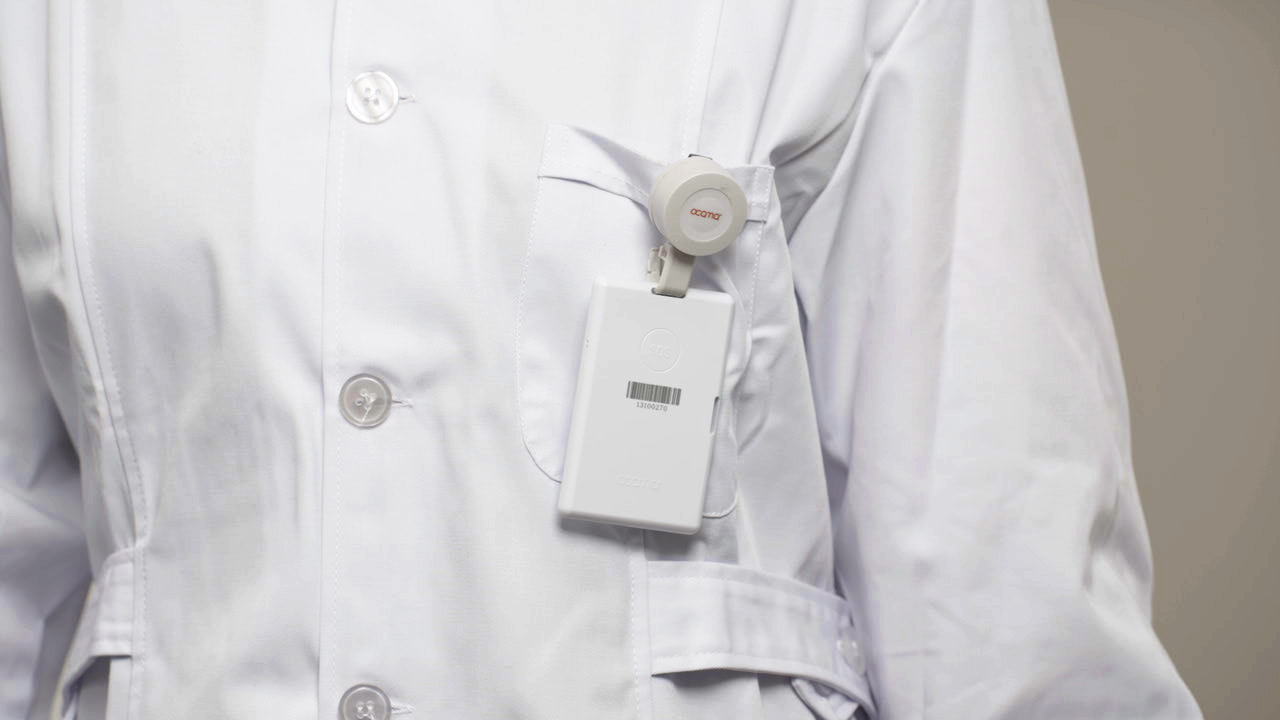
The quality and performance of medical equipment directly affect the safety and efficiency of medical services. The Ocamar intelligent nursing interactive screen series products, with their robust hardware parameters, stable operation performance and strict quality control, have forged a trustworthy medical-grade quality, providing reliable intelligent nursing support for medical institutions.
In recent years, the country has attached great importance to the digital and intelligent transformation of the medical industry and has introduced a series of policies and regulations to provide strong support for the development of smart healthcare.
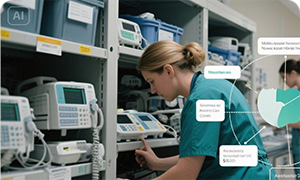
Today, with the rapid penetration of intelligent healthcare, the equipment management in hospitals has long left behind the traditional mode of "manual inventory and experience-based judgment".
Shandong Provincial Cancer Hospital and Shandong Provincial Institute of Cancer Prevention and Control was established in 1958. It is located in Jinan, the city of springs, and is affiliated to Shandong Academy of Medical Sciences. The Shandong Provincial Health and Family Planning Commission is the business supervisory department.
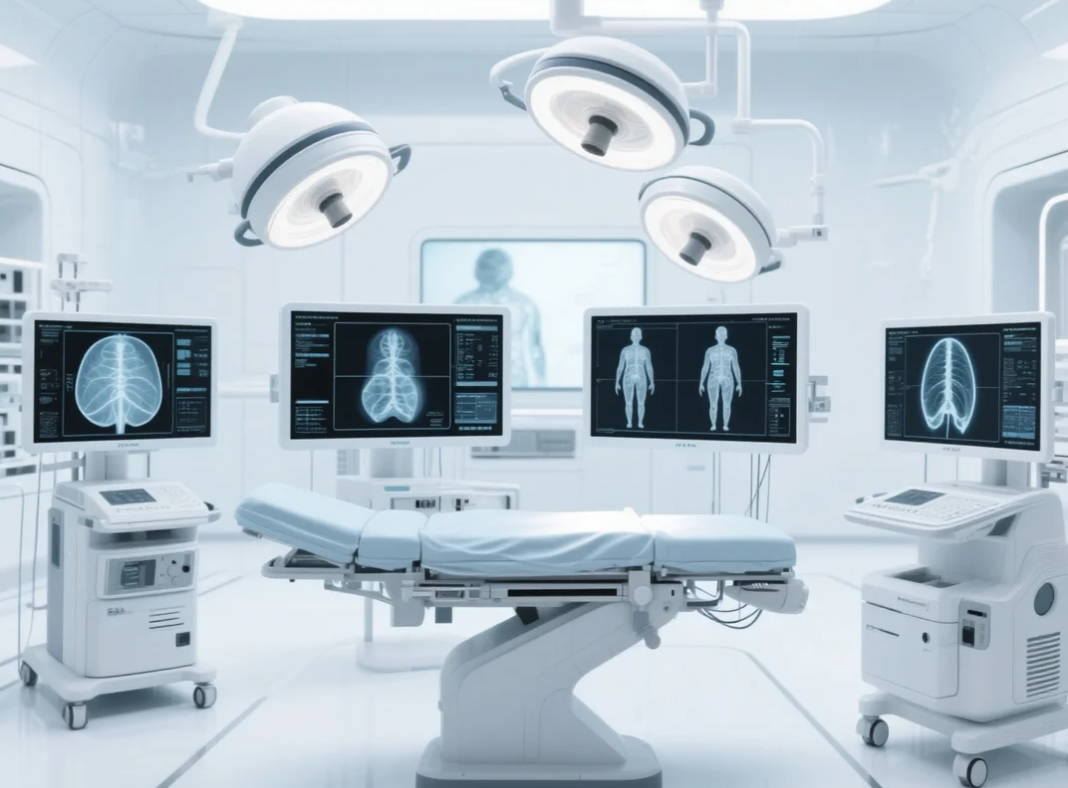
The "Healthy China" strategy has been vigorously implemented, and the digital transformation of the medical industry has entered a deep-water zone. The construction of smart hospitals has become the core engine for improving medical service quality and optimizing the medical treatment experience.
We will contact you promptly based on the information you provide
Let us know anything else you think we should be aware of.

+86 135 6460 8501

service_global@ocamar.com

2nd Floor, Block C, Building 20, No. 2388 Chenhang Highway,Minhang District, Shanghai